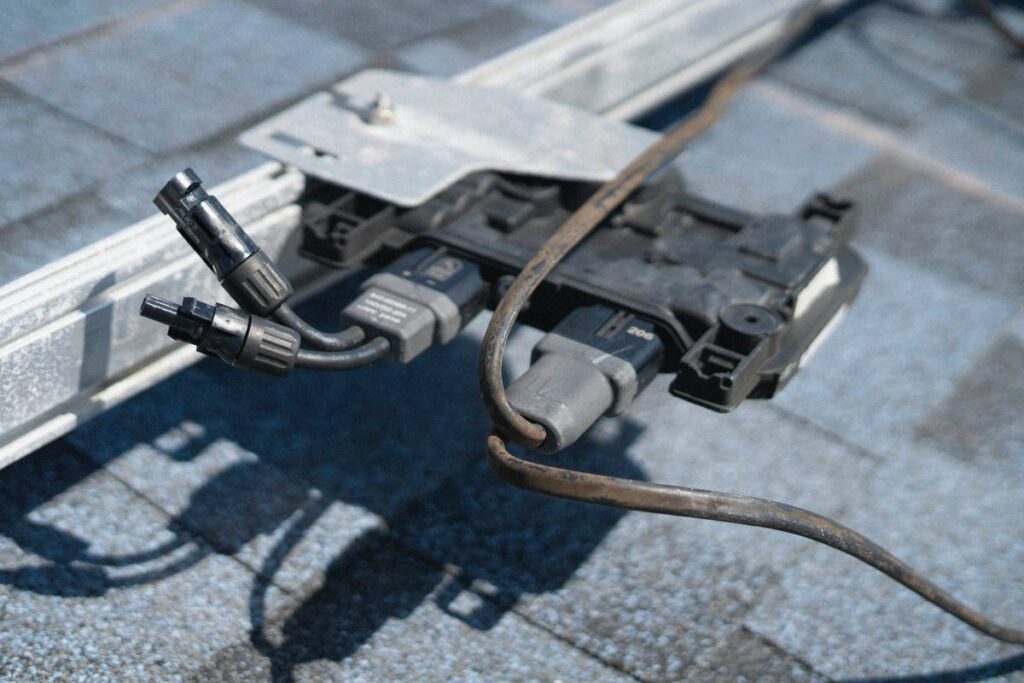
Ever fried a $300 inverter because you used the wrong connector? You’re not alone. As solar installations surge—up 37% in U.S. residential markets last year, per the Solar Energy Industries Association (SEIA)—one tiny component keeps causing massive headaches: the wiring supply panel connector from solar arrays. These unassuming parts bridge your panels to your system’s nervous system. Get it right, and you’ve got clean, efficient power for decades. Get it wrong, and you risk fire, corrosion, or total system failure. In this guide, we’ll walk through what these connectors really do, how to choose and install them correctly, and the one rookie error I made that melted two MC4s during a summer heatwave.
Table of Contents
- Why Your Solar Connectors Matter More Than You Think
- How to Install Solar Panel Connectors Safely & Correctly
- 5 Best Practices for Long-Lasting Connections
- Real-World Lessons: What Happens When Connectors Fail
- Frequently Asked Questions
Key Takeaways
- The wiring supply panel connector from solar arrays ensures safe, weatherproof electrical continuity between panels and inverters.
- MC4 connectors dominate the market—but mixing brands or using knockoffs causes arcing and overheating.
- Always verify IP68 rating and UL certification before purchasing.
- Proper crimping technique is non-negotiable; loose pins lead to resistance buildup and fire hazards.
- Regular thermal inspections can catch degradation before catastrophic failure.
Why Your Solar Connectors Matter More Than You Think
Solar isn’t just about panels and batteries—it’s about the invisible links holding everything together. The wiring supply panel connector from solar modules handles DC voltage under extreme conditions: desert heat, coastal salt spray, monsoon humidity. When these connectors fail, they don’t just stop working—they can overheat silently. According to a 2022 NREL study, faulty connectors accounted for 19% of all field-reported PV system failures, often leading to partial or full shutdowns.
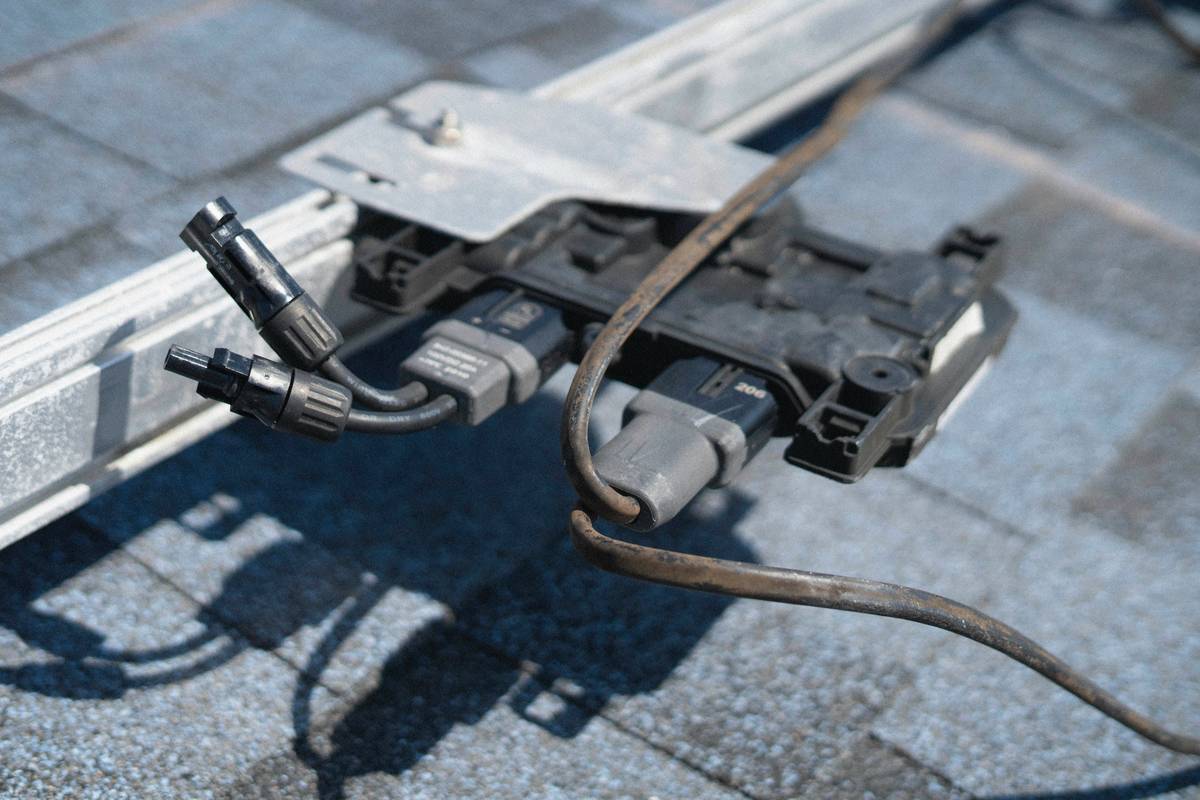
I learned this the hard way. Two summers ago, I installed a DIY kit using cheap, uncertified connectors labeled “MC4-compatible.” Within weeks, high-resistance joints caused localized heating. One afternoon, walking past the combiner box, I smelled burnt plastic—and found two connectors glowing red. Thankfully, no fire started, but the inverter’s input stage was toast. Lesson? Never gamble on connectors. They’re the unsung heroes (or villains) of your renewable setup.
How to Install Solar Panel Connectors Safely & Correctly
Gather Certified Components
Only use connectors bearing UL 6703 certification and IP68 ingress protection. Stick to reputable brands like Stäubli, TE Connectivity, or Amphenol. Avoid generic “MC4-style” units—they often lack proper contact retention force.
Prepare Wires Properly
Strip insulation precisely (usually 10–12mm), avoiding nicked conductors. Use a ratcheting crimper designed for the specific pin type—hand-crimping rarely achieves consistent contact pressure.
Assemble and Test
Insert the crimped pin into the connector housing until it clicks. Perform a pull-test: a properly assembled connector should withstand >50N of force without dislodging. Finally, mate pairs fully—they should audibly “snap” when locked.
5 Best Practices for Long-Lasting Connections
- Never mix brands. Even if they look identical, tolerances vary. Mismatched MC4s can unlatch under thermal cycling.
- Inspect annually. Look for discoloration, swelling, or loose mating. Use an infrared thermometer during peak sun hours—if a connector reads >20°C hotter than adjacent ones, investigate immediately.
- Avoid daisy-chaining. Use branch connectors or combiner boxes instead of plugging multiple panels directly end-to-end.
- Seal unused ports. If your connector has spare entry points, cap them with manufacturer-supplied plugs to maintain IP68 rating.
- Don’t overtighten. Snug is sufficient. Over-torquing cracks the housing, compromising weatherproofing.
⚠️ Terrible tip alert: “Just twist wires together and wrap with tape.” Nope. Moisture wicks into exposed copper within months, causing galvanic corrosion. Always use purpose-built, insulated connectors.
And while I’m ranting—why do some suppliers still sell non-UL-listed connectors online? It’s like selling fireworks without fuses. Save $5 now, lose $2,000 later. Not worth it.
Real-World Lessons: What Happens When Connectors Fail
In 2023, a California homeowner reported repeated inverter shutdowns. An inspection revealed counterfeit MC4 connectors with undersized contacts. Resistance measured 85 mΩ (vs. spec of <10 mΩ), causing 15°C temperature rise per joint. After replacing all connectors with UL-certified units, system output stabilized, and efficiency jumped by 3.2%. Similarly, a Florida installer documented salt-induced corrosion in unsealed connectors after just 18 months near the coast. Switching to IP68-rated models with stainless-steel springs eliminated future issues. These aren’t rare edge cases—they’re preventable with attention to detail at the wiring supply panel connector from solar interface.
Frequently Asked Questions
Are all MC4 connectors interchangeable?
No. While MC4 is a standard, compatibility isn’t guaranteed across brands due to slight dimensional differences. Mixing can cause poor sealing or accidental disconnection. Stick to one manufacturer per system.
Can I reuse old solar connectors?
Only if they pass visual and mechanical inspection. Check for cracked housings, bent pins, or loss of spring tension. When in doubt, replace them—connectors cost far less than downtime.
What’s the difference between MC3 and MC4?
MC4 features a positive locking mechanism preventing accidental disconnects—a critical safety upgrade. MC3 is obsolete and banned in new U.S. installations per NEC 690.33.
Do solar connectors need maintenance?
Minimal, but annual checks are wise. Clean with a dry cloth; never use solvents. Look for signs of tracking (carbonized paths on plastic) which indicate arcing.
Conclusion
Your solar investment hinges on components most people never see—including the humble wiring supply panel connector from solar panels. Get it right, and you enjoy silent, efficient energy for 25+ years. Cut corners, and you risk fire, inefficiency, or costly repairs. At ATT Advanced Wireless Service, we’ve seen both outcomes. If you’re unsure about your connectors—or planning a new install—reach out to our certified team. We’re rooted in experience (see our About Us page), and we never compromise on safety. And yes, we follow our own privacy policy when handling your project details. Remember: the sun doesn’t negotiate. Neither should your connections.
Sun strong, wires tight—no sparks in sight.