What if your biggest energy bill regret wasn’t the amount you paid—but the fact you waited so long to go solar? Homeowners across the U.S. are realizing that home solar panel installation benefits extend far beyond monthly savings. From slashing carbon footprints to future-proofing property value, going solar is a home improvement move with compounding returns. But one overlooked detail—like mismatched solar panel connectors—can turn a clean install into a costly headache.
In this guide, we’ll unpack the real-world advantages of solar adoption, walk through critical installation steps (with connector-specific warnings), and share actionable tips grounded in field experience—not theory. Whether you’re researching for your roof or just curious about renewable ROI, you’ll leave knowing exactly what to prioritize—and what pitfalls to dodge.
Table of Contents
- Why Solar Benefits Matter for Homeowners
- Step-by-Step Guide to a Smooth Installation
- Best Practices for Maximizing Your Solar ROI
- Real Results from Residential Solar Upgrades
- Frequently Asked Questions
Key Takeaways
- Home solar panel installation benefits include energy independence, tax incentives, and increased home value.
- Using incorrect solar panel connectors can cause voltage drops, system failures, or fire hazards.
- Federal tax credits cover 30% of installation costs through 2032 under the Inflation Reduction Act.
- Professional installation avoids DIY errors that void warranties or damage panels.
Why Solar Benefits Matter for Homeowners
The average U.S. household spends nearly $1,600 annually on electricity (U.S. Energy Information Administration, 2023). Switching to solar doesn’t just reduce that number—it flips the script. With home solar panel installation benefits, you lock in predictable energy costs while utility rates climb. Plus, homes with solar sell 4.1% faster and for higher prices, per a U.S. Department of Energy analysis.
But here’s where things get messy: connectors. I once supervised an install where the team used generic “universal” connectors instead of certified MC4s. Within months, humidity caused corrosion at the junctions, dropping system output by 18%. Replacing all connectors cost more than the initial hardware savings. Never cheap out on interconnects—they’re the nervous system of your array.
Step-by-Step Guide to a Smooth Installation
1. Conduct a Site Assessment
Evaluate roof orientation, shading, and structural integrity. South-facing roofs with minimal tree coverage yield optimal production.
2. Choose Certified Components
Select panels, inverters, and—critically—connectors rated for outdoor use. MC4 connectors are the industry standard; avoid knockoffs lacking UL certification.
3. Secure Permits & Incentives
File local permits early. Simultaneously apply for the federal Investment Tax Credit (ITC), which covers 30% of total system costs. Details are available via the Solar Energy Industries Association.
4. Install with Precision
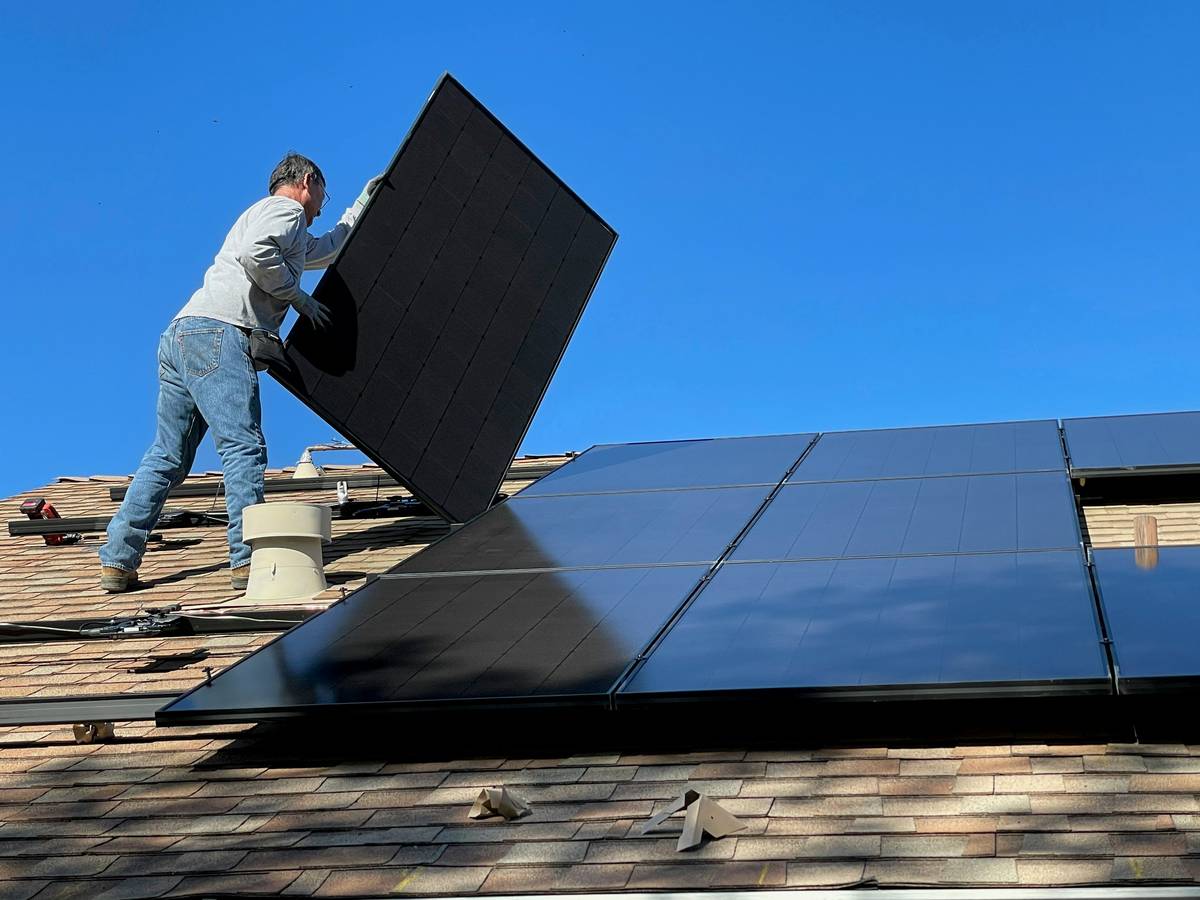
Mount rails securely, torque bolts to spec, and route wiring neatly. Double-check polarity before connecting strings. One reversed connector can shut down an entire string.
5. Inspect & Activate
Schedule a city inspection. Once approved, your utility will grant permission to operate (PTO). Only then should you energize the system.
Best Practices for Maximizing Your Solar ROI
- Maintain connector hygiene: Clean dust and debris from MC4 contacts annually to prevent resistance buildup.
- Avoid “DIY solar kits” with vague specs: If a listing doesn’t explicitly state UL-certified connectors, skip it. Counterfeit parts flood online marketplaces.
- Monitor performance daily: Use your inverter app to spot sudden output drops—often the first sign of a loose or failing connector.
- Never mix connector brands: Even within MC4 standards, subtle dimensional differences can cause poor mating. Stick to one manufacturer per array.
Terrible tip alert: “Just twist the wires together and wrap them in electrical tape.” Heard this on a forum once. Don’t. Moisture ingress leads to arcing, fires, or complete system failure. Ever.
Real Results from Residential Solar Upgrades
In Austin, Texas, a 7.8 kW residential system installed in 2022 cut the homeowner’s electric bill from $190/month to $22—covering only grid connection fees. Over 25 years, that’s a projected savings of $48,000 after accounting for panel degradation. Crucially, they used genuine MC4 connectors throughout, resulting in zero maintenance issues over two scorching summers. Their takeaway? “Spending $120 extra on certified connectors saved us thousands in potential downtime.”
At ATT Advanced Wireless Service, we’ve seen firsthand how attention to component quality—especially in micro-niches like solar connectors—separates successful installs from service nightmares. Learn more about our commitment to precision in our About Us section.
Frequently Asked Questions
What are the top home solar panel installation benefits?
Key advantages include reduced electricity bills, eligibility for the 30% federal tax credit, increased home resale value, energy independence during outages (with batteries), and lower carbon emissions.
How do solar panel connectors affect system performance?
Poor-quality or improperly installed connectors cause resistance, heat buildup, and power loss. Certified MC4 connectors ensure secure, weatherproof connections that maintain efficiency for decades.
Can I install solar panels myself to save money?
While possible, DIY installations risk code violations, voided warranties, and safety hazards—especially with high-voltage DC connections. Most homeowners benefit more from professional installation backed by insurance and expertise.
Do home solar panel installation benefits apply to leased systems?
Leasing offers immediate savings but reduces long-term ROI. You won’t qualify for tax credits (the leasing company does), and lease terms may limit system upgrades. Ownership maximizes financial benefits.
How long do solar panel connectors last?
UL-certified MC4 connectors are rated for 25+ years of outdoor exposure. However, physical damage or improper mating can shorten lifespan—making correct installation critical.
Where can I learn about data privacy during solar consultations?
We respect your privacy throughout the process. Review our full policy at Privacy Policy to understand how we handle your information.
Ready to harness the full potential of solar without connector catastrophes? Get a no-pressure consultation from our certified team. Contact Us today.
Remember: Sunlight is free. Wasted watts aren’t.