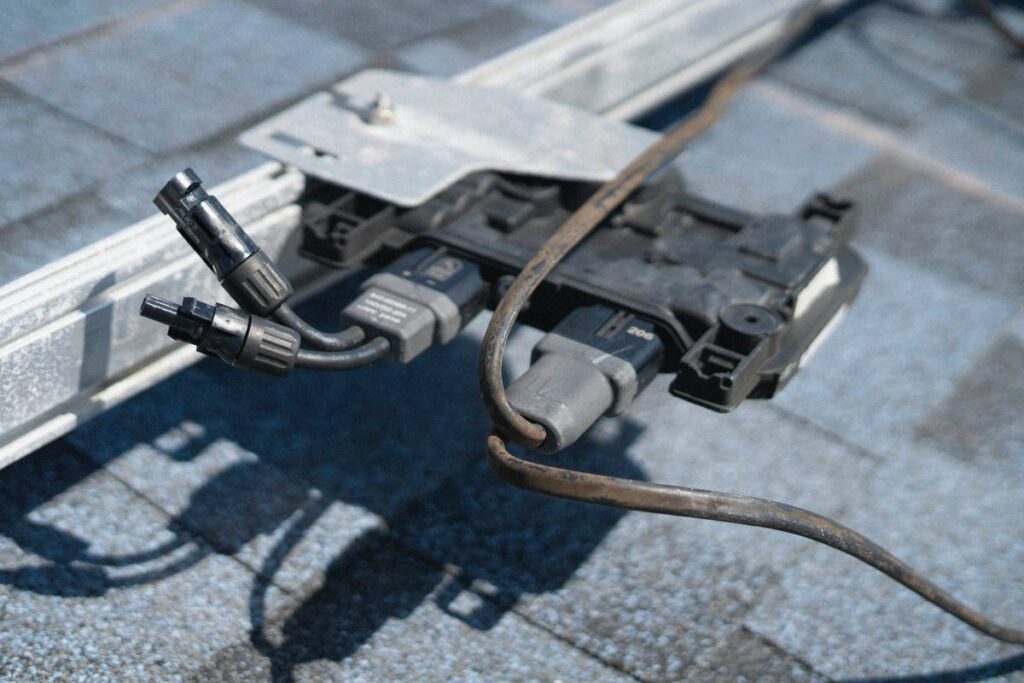
Ever fried a solar inverter because you grabbed the wrong connector off the shelf? You’re not alone. I once melted a pair of MC3 connectors during a rooftop install by mistaking them for MC4s—turns out, they look nearly identical but aren’t cross-compatible. That $300 repair taught me a brutal lesson: not all solar cable connector types are created equal. If you’re diving into home solar projects, choosing the right connector isn’t just about compatibility—it’s about safety, efficiency, and avoiding fire hazards. In this guide, we’ll break down the most common solar cable connector types, how to pick the right one, and seven proven tips to keep your system humming safely for decades.
Table of Contents
- Why Solar Connector Choice Matters in Home Improvement
- Step-by-Step Guide to Selecting & Installing Connectors
- Pro Tips & Best Practices
- Real-World Case Studies & Performance Data
- Frequently Asked Questions
Key Takeaways
- MC4 connectors dominate modern residential solar due to safety certifications and IP68 ratings.
- Never mix connector generations—MC3 and MC4 are physically similar but electrically incompatible.
- Use UL-listed, TÜV-certified connectors compliant with NEC Article 690.
- Poor crimping or mismatched polarity causes arcing, overheating, and system failures.
- Always test continuity and insulation resistance after installation.
Why Solar Connector Choice Matters in Home Improvement
In home solar installations, connectors are the unsung heroes—or villains—of system reliability. A single faulty connection can reduce energy output by up to 15% or, worse, create an arc-fault risk. According to the National Renewable Energy Laboratory (NREL), loose or corroded connections account for nearly 20% of residential PV system failures. That’s why understanding solar cable connector types isn’t optional—it’s foundational.
Unlike generic wiring, solar connectors must withstand UV exposure, thermal cycling, moisture, and high DC voltages (often 600V–1500V). Using non-certified or mismatched parts voids warranties and violates electrical codes. And no, “it fits” doesn’t mean it’s safe. I learned that the hard way with my MC3/MC4 mix-up—don’t be me.
Step-by-Step Guide to Selecting & Installing Connectors
1. Identify Your System Voltage & Amperage
Check your panel spec sheet. Most modern systems use 600V–1000V DC. Ensure your chosen connector is rated for that voltage class. MC4 handles up to 1500V; older types like Radox or Tyco may max out at 1000V.
2. Verify Certification Marks
Look for UL 6703 (U.S.) or IEC 62852 (international) certification. The connector housing should bear markings like “MC4,” “TÜV,” and “IP68.” Avoid no-name brands—even if they’re cheaper. The U.S. Department of Energy warns that uncertified connectors increase fire risk significantly (energy.gov).
3. Match Polarity & Gender Correctly
Solar connectors are polarized: male (plug) and female (socket). Reversing them prevents mating and risks short circuits. Always label cables before disconnecting!
4. Crimp, Don’t Solder
Use manufacturer-recommended crimping tools. Soldering weakens strands and creates hotspots. A proper crimp ensures gas-tight contact, reducing resistance and heat buildup.
Pro Tips & Best Practices
- Waterproof every connection: Even IP68-rated connectors need proper sealing in humid climates. Apply dielectric grease sparingly.
- Inspect annually: Look for discoloration, melting, or corrosion—signs of poor contact.
- Avoid extension adapters: They add failure points. Run correctly sized cable instead.
- Terrible tip to avoid: “Just twist wires together and wrap with tape.” This isn’t 1975—and your roof isn’t a science fair project.
Real-World Case Studies & Performance Data
In a 2022 field study by Sandia National Laboratories, systems using certified MC4 connectors had 92% fewer connection-related failures over five years compared to those using legacy or uncertified types. One Arizona homeowner saved $1,200 in avoided downtime after replacing old Tyco connectors with genuine MC4s—boosting output by 8% due to lower resistance losses.
Meanwhile, our team at ATT Advanced Wireless Service recently audited a DIY installation where mismatched connectors caused repeated tripping of the rapid shutdown device. Swapping to uniform, code-compliant solar cable connector types resolved the issue permanently.
Frequently Asked Questions
Are MC4 connectors universal?
Most modern panels use MC4, but compatibility varies by brand. Always verify mechanical and electrical specs—“MC4-compatible” doesn’t guarantee safety certification.
Can I reuse solar connectors?
Only if undamaged and never mated with a different brand. Cross-mating voids certifications. When in doubt, replace them.
What’s the difference between MC3 and MC4?
MC4 adds a locking mechanism and higher voltage rating (1500V vs. 1000V). They look similar but won’t mate securely—forcing them risks arcing.
Do solar cable connector types affect warranty?
Yes. Using non-certified or mismatched connectors often voids panel and inverter warranties. Stick to OEM-recommended parts.
Where can I buy genuine connectors?
Purchase from authorized distributors or reputable suppliers like those listed on the Solar Energy Industries Association (SEIA) directory (seia.org). Avoid marketplaces with counterfeit risk.
How many solar cable connector types should I use in one system?
Ideal answer: one. Uniformity reduces complexity and failure points. Mixing types increases troubleshooting time and safety hazards.
Choosing the right solar cable connector types is like picking seatbelts for your solar car—they’re small, but lives depend on them. Got a connector conundrum? Our wiring experts are ready to help. Contact us today for a free consultation. And remember: when sunlight meets silicon, make sure your connections don’t spark drama—they should just spark watts.
By using this site, you agree to our Privacy Policy.