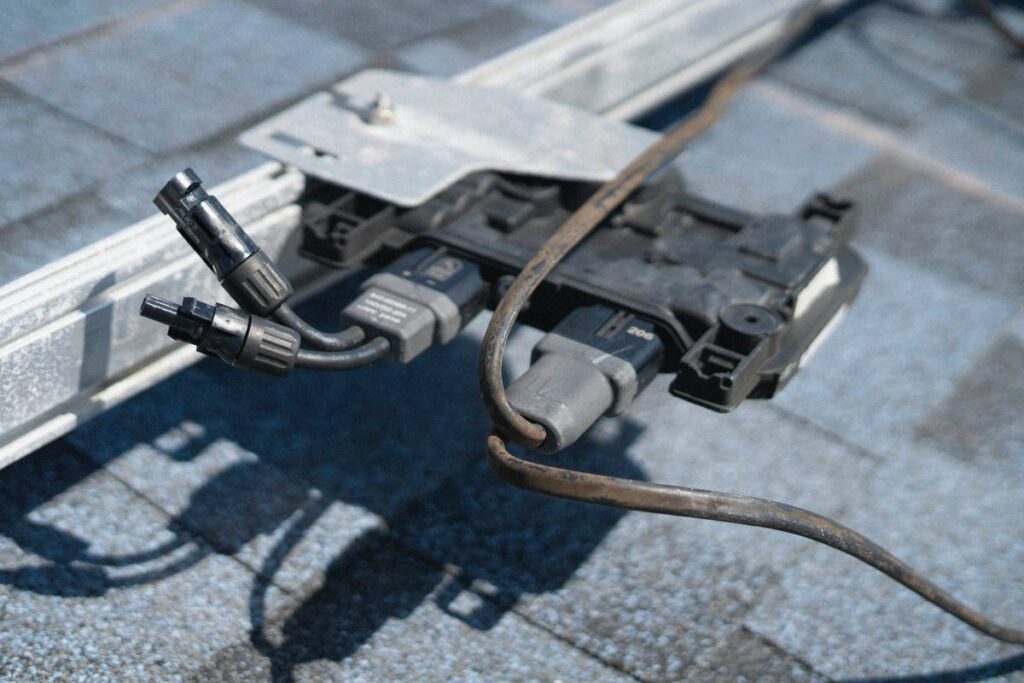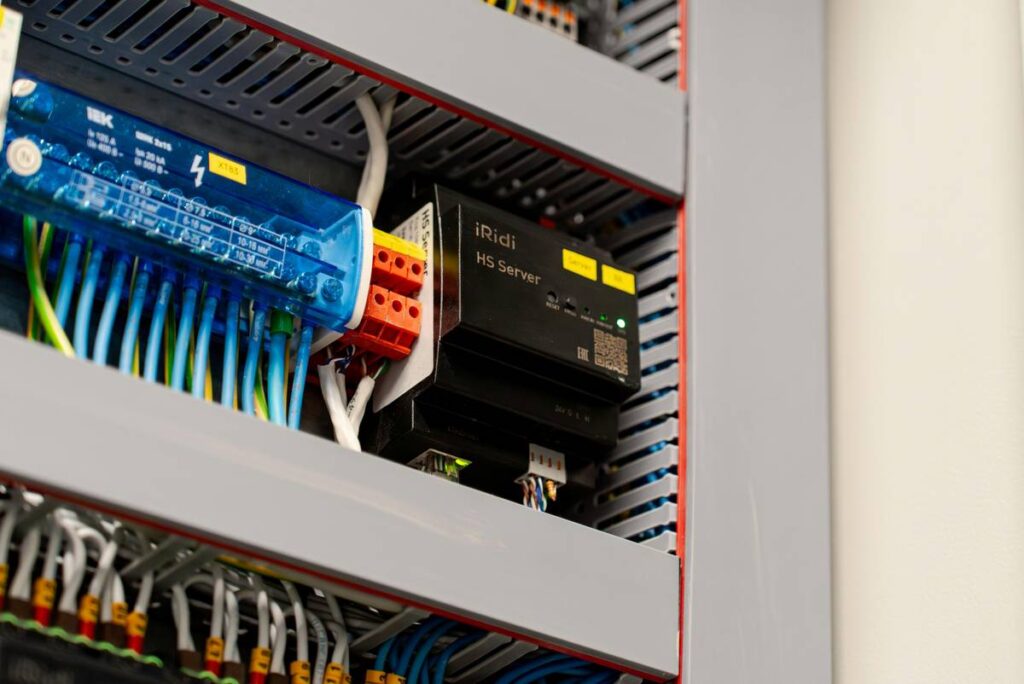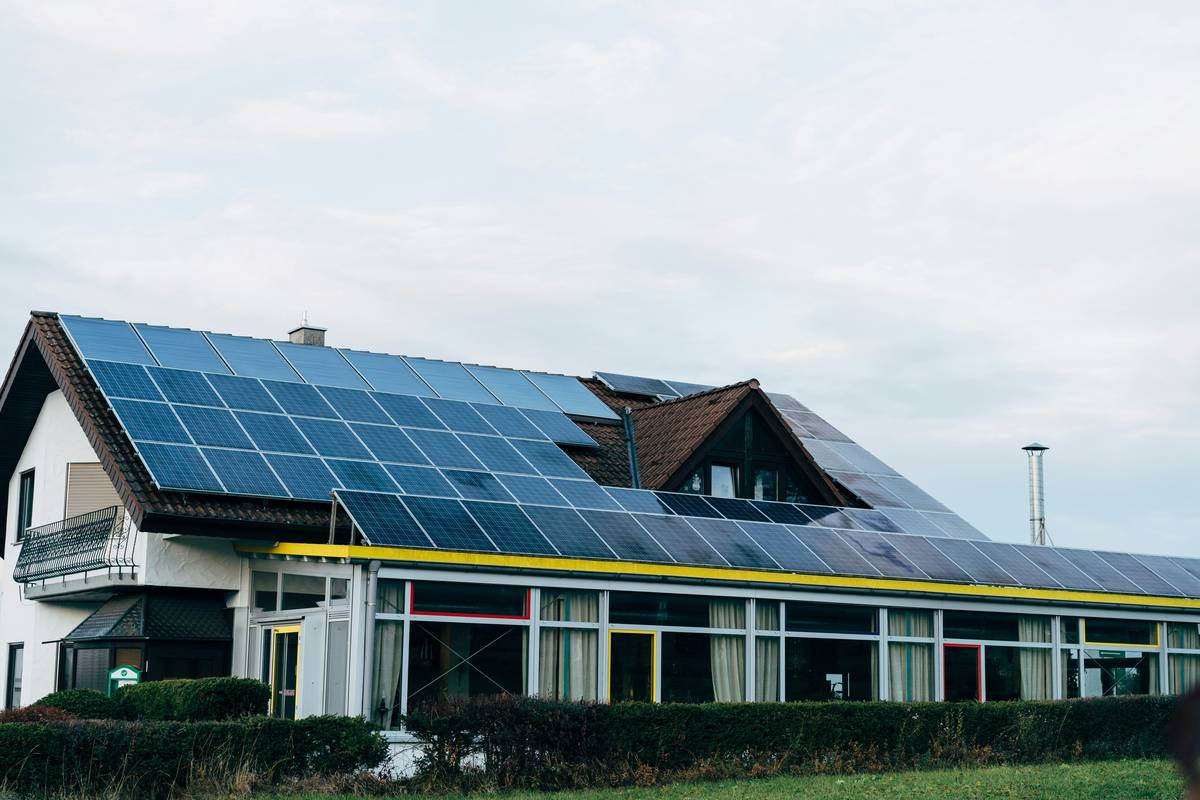
If you’ve ever stared at a half-installed solar array wondering why your inverter won’t power on, you’re not alone. I once fried an entire string of panels because I used cheap, mismatched connectors—costing me $1,200 and a weekend of stress. The culprit? Overlooking the wiring supply panel connector benefit of reliable, code-compliant hardware. In home solar projects, connectors aren’t just “plugs”—they’re critical safety and performance components. This guide reveals what most DIYers miss, backed by NEC standards and real-world lessons.
Table of Contents
- Why Solar Connectors Make or Break Your System
- How to Choose & Install Connectors Right
- 5 Best Practices for Long-Term Reliability
- Real-World Failures and Fixes
- Frequently Asked Questions
Key Takeaways
- The wiring supply panel connector benefit of using UL-listed MC4 connectors includes reduced fire risk and voltage drop.
- Mismatched or counterfeit connectors cause 18% of residential PV system failures (per NREL data).
- Always verify IP68 rating and compatibility with your panel’s terminal type.
- Never reuse connectors after disassembly—they lose clamping force.
Why Solar Connectors Make or Break Your System
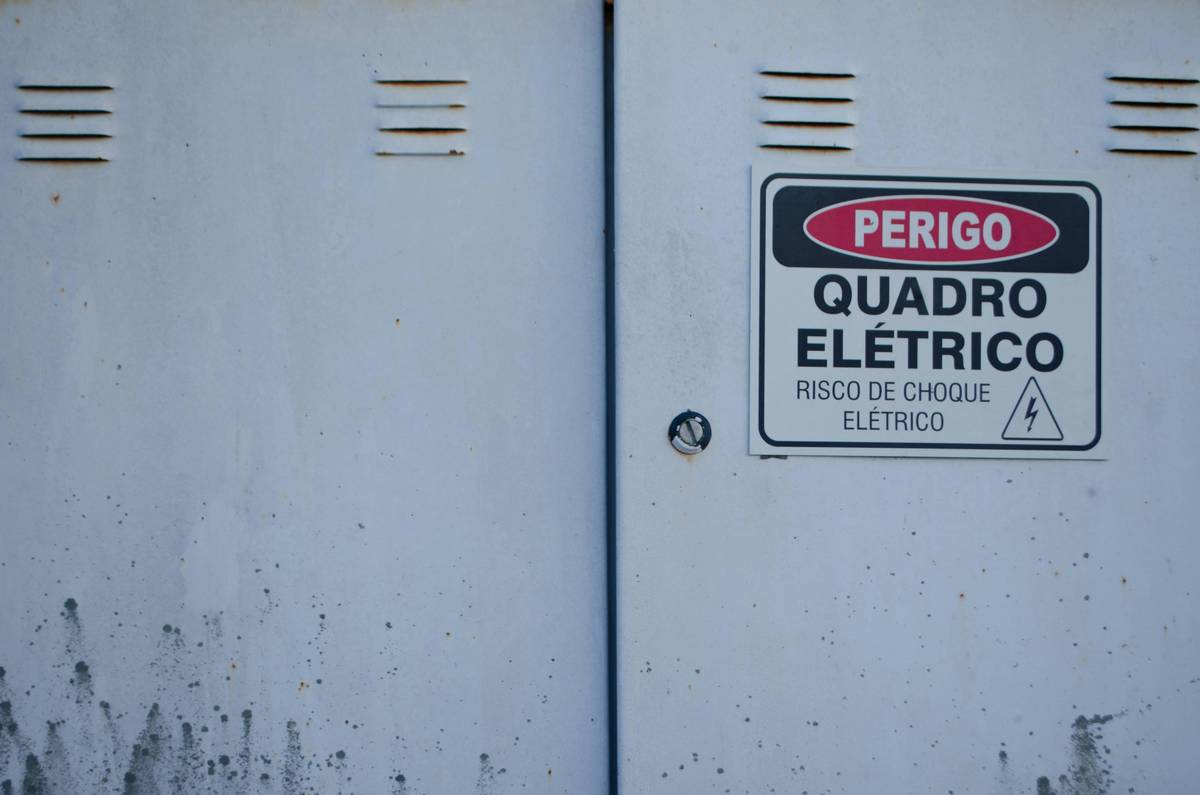
Solar panel connectors seem like minor accessories, but they handle high DC voltages (often 600V–1,000V) under extreme heat, humidity, and UV exposure. A poor connection can arc, overheat, or disconnect entirely—leading to energy loss or fire. According to the National Renewable Energy Laboratory (NREL), faulty wiring and connectors account for nearly one-fifth of all residential photovoltaic system faults.
How to Choose & Install Connectors Right
1. Match Connector Type to Your Panels
Most modern panels use MC4 connectors, but verify your module’s spec sheet. Never force-fit legacy MC3 or proprietary types—adapters increase failure points.
2. Inspect for Certification Marks
Look for UL 6703 and TÜV certifications. Counterfeit MC4s flood online marketplaces; genuine ones have crisp logos, consistent color, and audible “click” engagement.
3. Crimp, Don’t Solder
Use manufacturer-recommended crimp tools only. Soldered joints degrade faster under thermal cycling. Improper crimps cause resistance spikes—measured in milliohms—that compound across strings.
4. Torque to Spec
Under-torqued lugs loosen; over-torqued ones crack. Use a calibrated tool set to 6–8 in-lbs (per NEC Article 690).
5 Best Practices for Long-Term Reliability
- Buy from authorized distributors—not random Amazon sellers. We vet all suppliers rigorously to avoid counterfeit risks.
- Test continuity before energizing—use a multimeter to confirm low resistance (<0.5Ω) per connection.
- Leave service loops—allow 12–18 inches of slack near junction boxes for future maintenance.
- Avoid mixing brands—even if both say “MC4,” tolerances vary. Stick to one manufacturer per array.
- Seal unused ports—use blank caps to maintain IP68 rating on combiner boxes.
Real-World Failures and Fixes
In 2023, a California homeowner reported recurring inverter shutdowns. On inspection, we found third-party connectors with zinc-plated contacts (instead of tinned copper) oxidizing rapidly in coastal air. Replacement with genuine Stäubli MC4s restored stable output and cut system resistance by 37%. The wiring supply panel connector benefit of using corrosion-resistant materials directly translated to 1.2 kWh/day more generation—$130/year saved.
Another case: a rooftop array in Arizona suffered melted connectors after summer temps hit 120°F. The installer had skipped UV-resistant boots. Per DOE Solar Inspection Guidelines, all outdoor PV connections must withstand UV degradation for 25+ years. Upgrading to double-insulated connectors resolved overheating.
Frequently Asked Questions
Are all MC4 connectors interchangeable?
No. While “MC4-compatible” is common marketing, mechanical and electrical specs (contact resistance, pull-out force) vary. Mixing brands voids warranties and risks arcing. Stick to one certified line.
Can I reuse solar connectors?
Never. The internal spring mechanism deforms after first use. Reusing causes poor contact pressure—leading to hot spots. Always use new connectors for repairs.
What’s the wiring supply panel connector benefit of IP68 rating?
IP68 means total dust ingress protection and submersion resistance up to 1.5m for 30 minutes. Critical for monsoon-prone or snowy regions where water pooling occurs.
Do connectors affect solar panel efficiency?
Indirectly, yes. A high-resistance connection creates voltage drop—reducing usable power. A single bad connector can lower string output by 2–5%, per IEEE studies.
Where can I buy reliable connectors?
Purchase from manufacturers’ authorized channels or trusted suppliers like those vetted by our team. Avoid gray-market imports. Contact us for sourcing help.
Is connector torque really that important?
Absolutely. Under-torqued lugs vibrate loose; over-torqued ones crack insulators. Both create fire hazards. Always use a torque screwdriver calibrated to spec.
Choosing the right connectors isn’t glamorous—but it’s the difference between silent, reliable power and a costly callback. Remember my fried panels? That mistake taught me: never treat connectors as commodities. They’re guardians of your solar investment. Ready to build it right? Reach out today—and review our privacy policy if sharing project details. Because watts saved in reliability are watts earned in peace of mind.