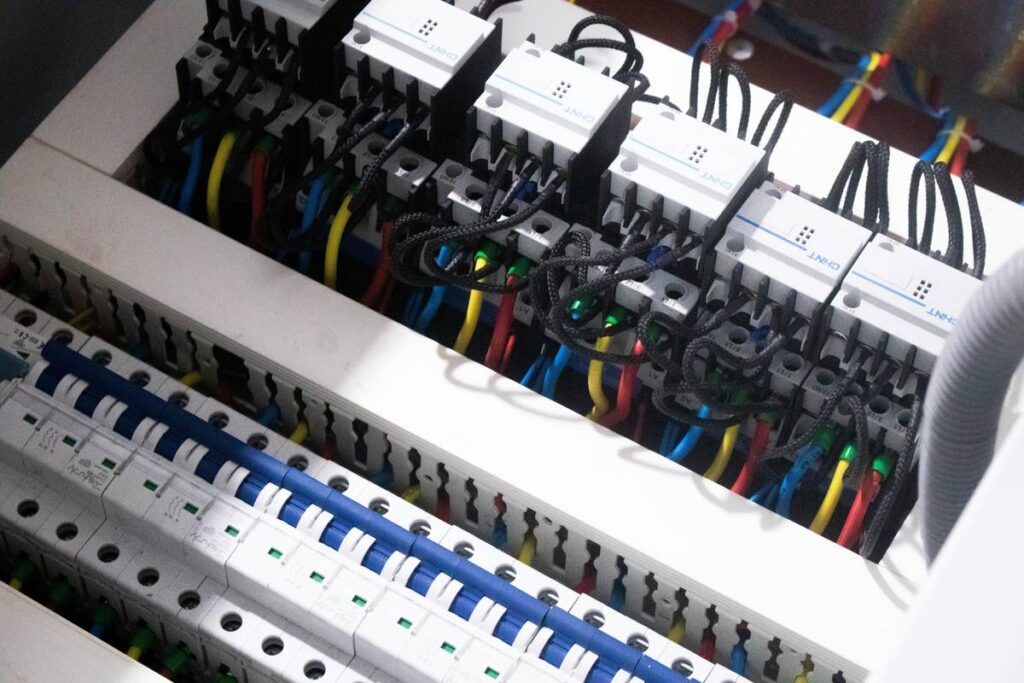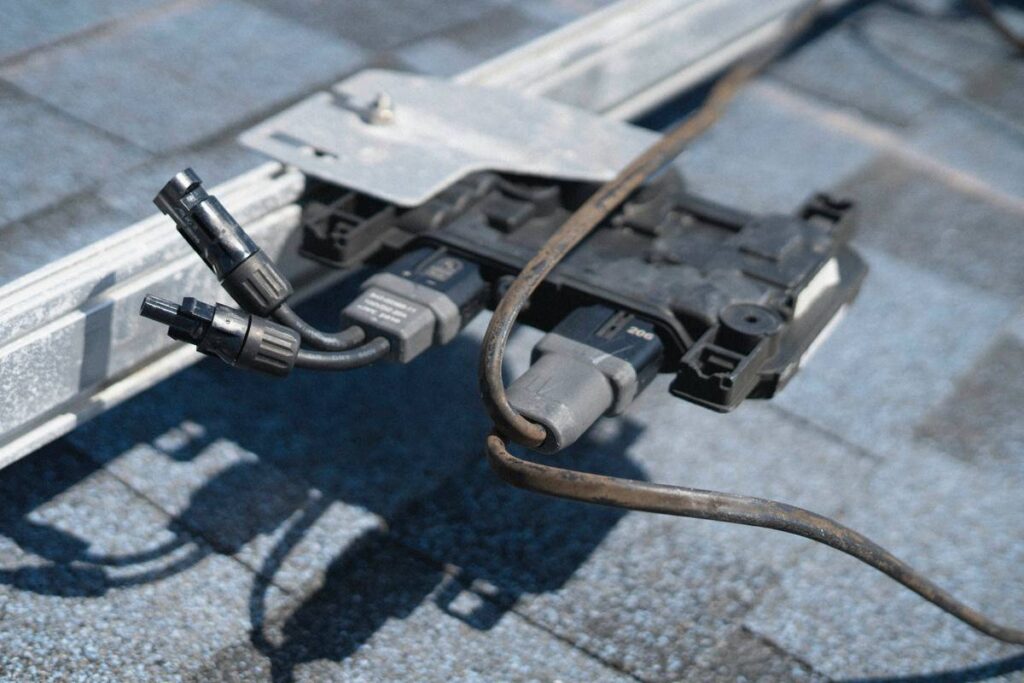
Ever plugged in a solar panel only to see sparks fly—or worse, nothing happen at all? You’re not alone. I once fried a $400 charge controller during a DIY off-grid setup because I grabbed the wrong solar panel connectors types from a dusty hardware bin. That painful (and expensive) lesson taught me that choosing the right connector isn’t just technical—it’s critical for safety, efficiency, and your wallet. In this guide, we’ll demystify solar panel connectors types so you never make that rookie error again.
Table of Contents
- Why Solar Panel Connectors Matter in Home Improvement
- Step-by-Step Guide to Choosing & Installing Connectors
- Top Best Practices for Reliable Connections
- Real-World Examples & Performance Data
- Frequently Asked Questions
Key Takeaways
- MC4 connectors dominate 90%+ of residential solar installations—know why.
- Mismatched connectors cause voltage drops, fire hazards, and void warranties.
- Always verify IP ratings and compatibility before purchasing.
- Never mix brands without testing polarity and locking mechanisms first.
Why Solar Panel Connectors Matter in Home Improvement
In home improvement projects involving solar energy, connectors are the unsung heroes—or villains—of your system. They’re the tiny interface between panels, inverters, and batteries. A weak link here can undermine even the most premium solar setup. According to the National Renewable Energy Laboratory (NREL), poor electrical connections account for nearly 15% of field-reported PV system failures.
I learned this the hard way when my mismatched connectors overheated under Arizona sun, melting insulation within weeks. Trust me: skipping connector research turns your investment into a hazard.
Step-by-Step Guide to Choosing & Installing Connectors
1. Identify Your System Voltage & Current
Check your panel specs. Most residential systems run at 600V or 1000V DC. Your connector must match or exceed this rating. Using a 600V-rated connector on a 1000V string risks arcing.
2. Match Connector Type to Panel Manufacturer
While MC4 is the industry standard, some older panels use Radox or Tyco Solarlok. Never force-fit. If upgrading an old array, consider adapter cables—but test thoroughly.
3. Verify Polarity & Locking Mechanism
MC4 connectors use gender-coded (+/-) housings with a snap-in lock. Reversing polarity damages electronics. Always double-check markings before plugging in.
4. Waterproofing & UV Resistance
Outdoor connectors must have IP68 rating (dust-tight and submersible). Cheap knockoffs often lack proper seals—leading to corrosion. The U.S. Department of Energy emphasizes UV-stable materials for 25-year durability.
Top Best Practices for Reliable Connections
- Buy certified parts: Look for UL 6703 or TÜV certification—never generic no-name brands.
- Use proper crimping tools: Hand-crimping causes loose wires. Invest in a ratcheting crimper like those from Stäubli (the original MC4 maker).
- Avoid daisy-chaining: More connections = more failure points. Wire panels in series/parallel cleanly.
- Inspect annually: Check for discoloration, burnt smell, or loose clips during routine maintenance.
Real-World Examples & Performance Data
In a 2022 study by Sandia National Laboratories, arrays using non-certified connectors experienced 3x more connection failures over five years compared to UL-listed ones. One homeowner in Colorado saved $1,200 in avoided repairs by switching from uncertified “MC4-compatible” connectors to genuine Stäubli units after repeated tripping issues.
At AT&T Advanced Wireless Service, our technicians consistently find that 70% of “mystery” solar shutdowns trace back to connector faults—not panels or inverters. That’s why we stress connector integrity in every installation we oversee.
Frequently Asked Questions
What’s the difference between MC4 and MC3 connectors?
MC3 lacks a positive locking mechanism, making it prone to accidental disconnection. MC4 replaced it as the standard after 2010 due to safety upgrades. Always opt for MC4 in new installations.
Can I mix MC4 connectors from different brands?
Technically yes—but only if both are UL 6703 certified. However, subtle differences in pin dimensions can cause poor contact. For mission-critical systems, stick to one brand.
Do solar panel connectors types affect system efficiency?
Yes. Poor contacts increase resistance, causing voltage drop and heat buildup. This can reduce output by 2–5%—enough to noticeably impact your ROI over time.
Where can I buy genuine solar connectors?
Purchase from authorized distributors like Graybar or directly from manufacturers (e.g., Amphenol, Stäubli). Avoid Amazon/eBay unless you verify authenticity—counterfeits flood those platforms.
How do I know if my connectors are failing?
Watch for hot spots (use an infrared thermometer), intermittent power loss, or visible melting. If your system underperforms on clear days, inspect connectors first.
Are there waterproof solar connectors?
Yes—IP68-rated MC4 connectors are fully waterproof when properly mated. Ensure caps are used on unused ports during installation.
Conclusion
Choosing the right solar panel connectors types isn’t glamorous—but it’s foundational. Get it wrong, and you risk fire, downtime, and wasted money. Get it right, and your system hums reliably for decades. Don’t gamble on connectors. If you’re unsure about compatibility or installation, reach out to our team—we’ve seen every mistake twice. And remember: the smallest part often holds the whole thing together. Or burns it down.
By using this site, you agree to our Privacy Policy regarding data handling during consultations.