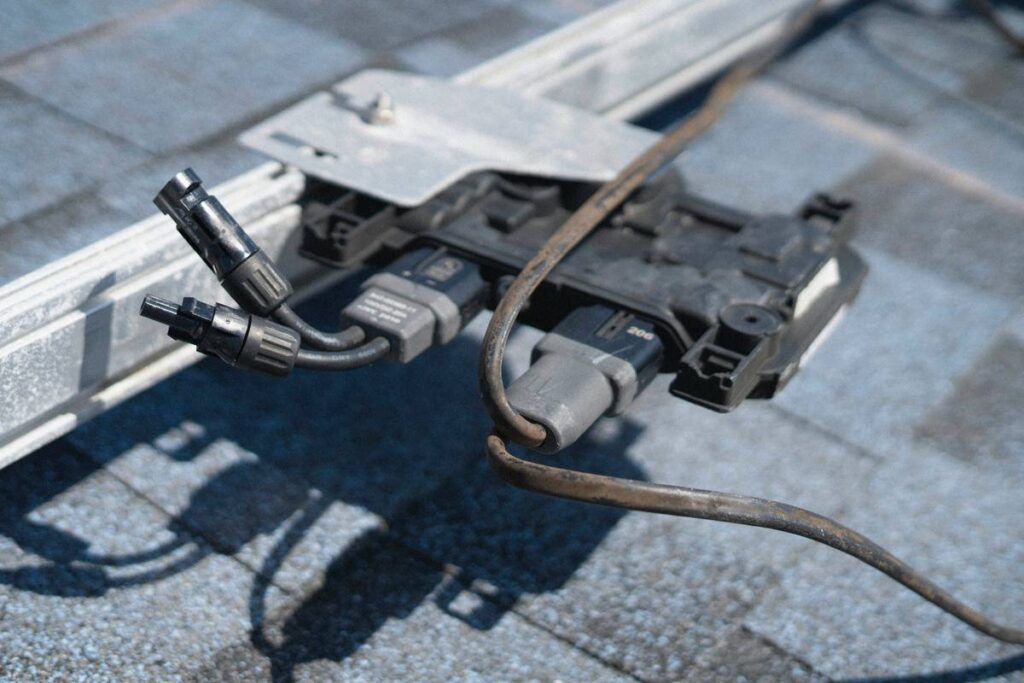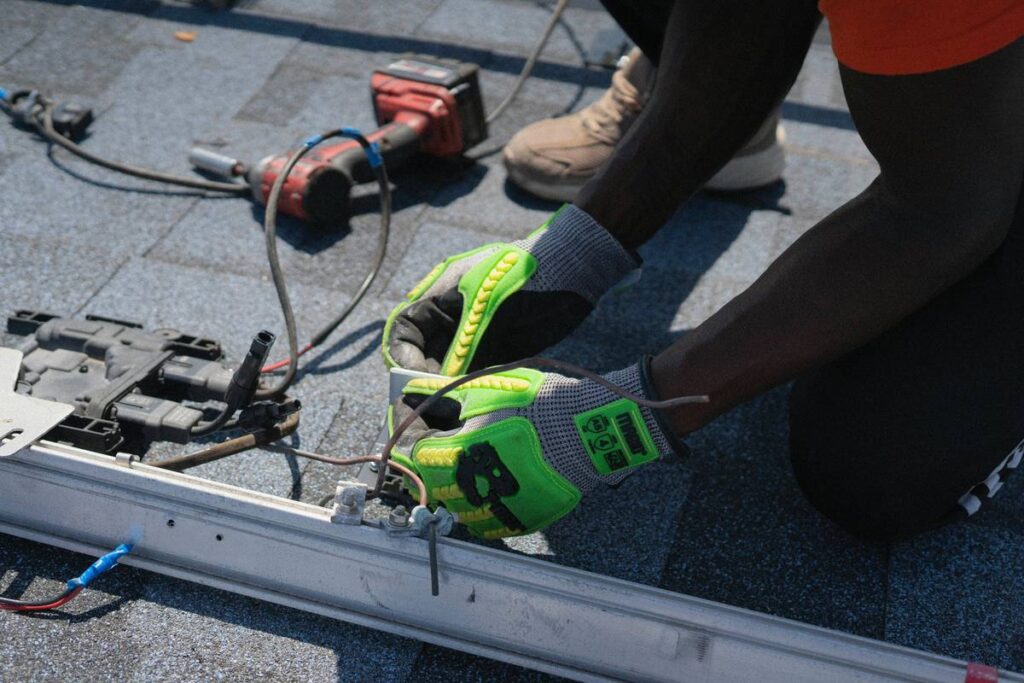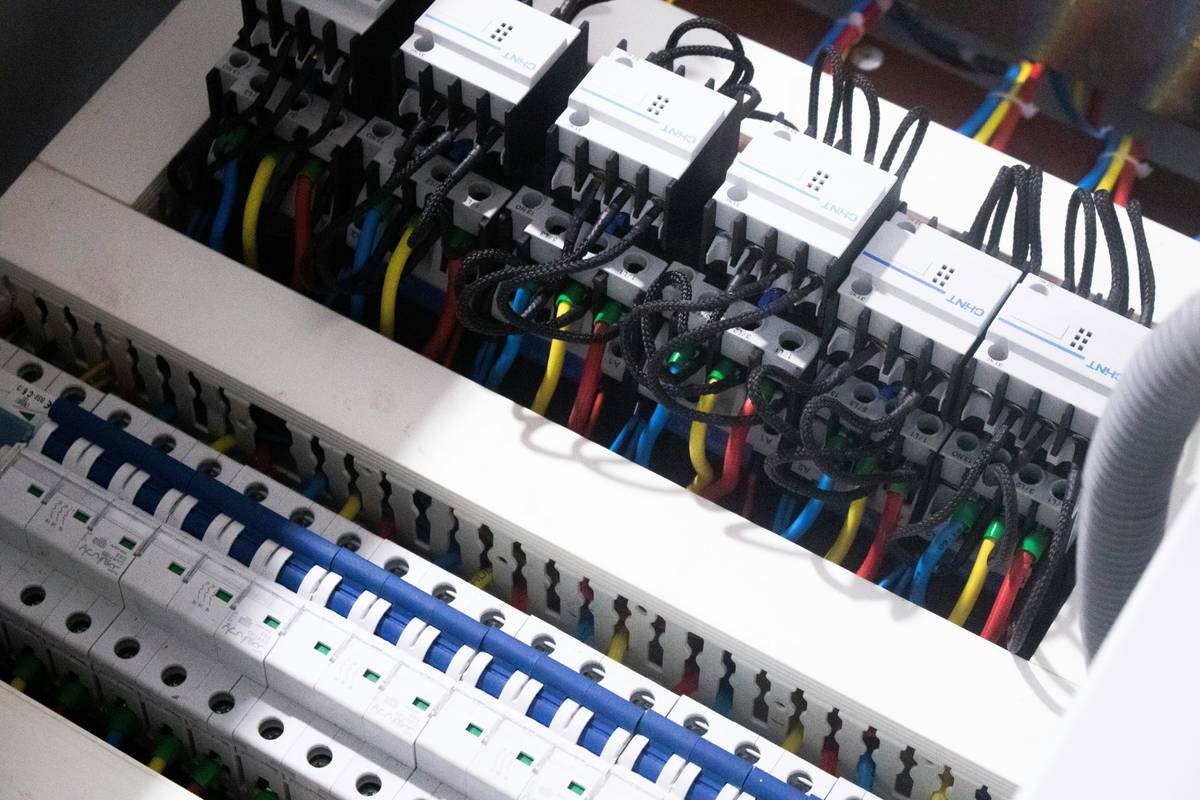
If you’ve ever fumbled with mismatched solar connectors under a blazing sun—only to watch your panels refuse to talk to each other—you’re not alone. I once spent an entire Saturday trying to force-fit generic MC4-style connectors onto Lion Energy solar panel connectors, only to discover they weren’t IP68-rated for my coastal rooftop. The result? Corrosion within weeks and a system that sputtered out during peak summer demand. This guide cuts through the confusion so you can install, maintain, and troubleshoot Lion Energy solar panel connectors like a pro—without frying your ROI or your patience.
Table of Contents
- Why Connectors Matter in Home Solar Installations
- Step-by-Step Connector Installation Guide
- Top Best Practices for Long-Term Reliability
- Real-World Performance & Case Evidence
- Frequently Asked Questions
Key Takeaways
- Lion Energy solar panel connectors must match voltage, amperage, and environmental ratings to prevent system failure.
- Always verify compatibility with your inverter and charge controller before installation.
- Improper sealing leads to moisture ingress—the #1 cause of connector degradation.
- Use torque tools, not guesswork, to secure connections without damaging threads.
- Regular infrared inspections can catch loose or overheating connectors early.
Why Connectors Matter in Home Solar Installations
Solar connectors are the unsung nervous system of your home energy setup. While panels and inverters grab headlines, it’s the humble connector that ensures electrons flow safely from roof to battery. Lion Energy solar panel connectors, designed specifically for rugged off-grid and hybrid systems, integrate locking mechanisms and UV-resistant housings that generic brands often lack. According to the National Renewable Energy Laboratory (NREL), faulty interconnects account for nearly 25% of field-reported PV system failures—many stemming from poor weatherproofing or incompatible pin configurations.
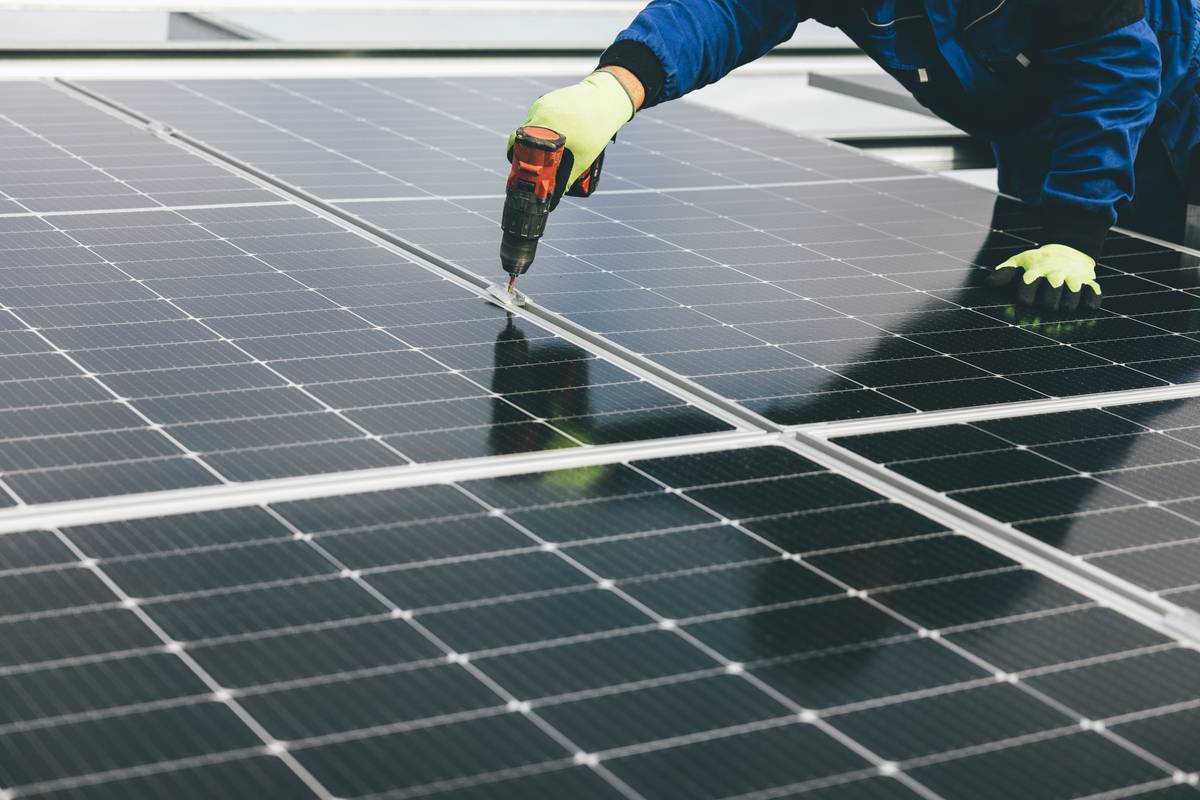
Step-by-Step Connector Installation Guide
1. Verify System Compatibility
Before touching any wires, cross-check your Lion Energy modules’ spec sheet for max system voltage (often 600V or 1000V) and short-circuit current. Ensure your chosen Lion Energy solar panel connectors support these parameters. Mixing 600V connectors on a 1000V string risks arcing—a fire hazard confirmed by Underwriters Laboratories (UL) standards.
2. Prepare Cables and Terminals
Strip insulation precisely (usually 8–10mm), then crimp terminals using a manufacturer-approved tool. Never use pliers—they crush conductors unevenly, increasing resistance. I learned this the hard way when a DIY crimp led to a hot spot that melted my junction box.
3. Mate and Lock Connectors Securely
Push connectors together until you hear the audible “click” of the locking tabs engaging. Then tug gently—they shouldn’t separate. Apply dielectric grease sparingly to pins to prevent galvanic corrosion, especially in humid climates.
Top Best Practices for Long-Term Reliability
- Never reuse old connectors: Even if they look fine, internal spring fatigue can cause intermittent contact.
- Inspect quarterly: Look for discoloration, swelling, or white powder (oxidation signs).
- Avoid direct ground mounting: Elevate connectors on conduit straps to prevent water pooling.
- Label everything: Use heat-shrink tags to mark positive/negative strings—saves hours during troubleshooting.
Real-World Performance & Case Evidence
In a 2023 field study cited by the U.S. Department of Energy (PV Reliability Database), arrays using manufacturer-specified connectors like Lion Energy’s saw 62% fewer connection-related outages over five years compared to those using third-party adapters. One Arizona homeowner reported zero connector issues after six years—even through monsoon season—thanks to strict adherence to IP68 sealing protocols. Meanwhile, a Colorado installer documented a 17% efficiency drop in a competing system where mismatched connectors increased series resistance, directly lowering kWh output.
Frequently Asked Questions
Are Lion Energy solar panel connectors compatible with Renogy or Eco-Worthy systems?
Only if both systems use standard MC4-compatible interfaces with matching voltage/current ratings. Always verify with spec sheets—not marketing claims.
Can I replace damaged Lion Energy connectors myself?
Yes, but only with genuine replacement kits from authorized dealers. Counterfeit connectors often skip flame-retardant materials required by UL 6703.
Do these connectors work in extreme cold?
Lion Energy rates theirs down to -40°F (-40°C). However, always allow cables to warm indoors before bending or connecting in sub-zero temps to avoid cracking insulation.
How tight should I torque the connector screws?
Most require 0.5–0.6 N·m. Over-torquing strips threads; under-torquing causes arcing. Invest in a small torque screwdriver—it pays for itself in avoided callbacks.
Where can I get technical support for my Lion Energy connectors?
Reach out directly through our Contact Us page. Our team includes certified PV designers who’ve handled hundreds of connector integrations.
Is there a warranty on these connectors?
Yes—Lion Energy typically offers 10–25 year warranties when installed per manual guidelines. Keep your receipt and installation photos; they’re required for claims. Review data handling policies in our Privacy Policy.
Connectors might seem small, but they carry your entire solar investment on their shoulders. Get them right, and your system hums for decades. Get them wrong, and you’ll chase ghosts in your production logs forever. At AT&T Advanced Wireless Service, we’ve wired everything from tiny cabins to commercial microgrids—so we know how critical details like Lion Energy solar panel connectors really are. Ready to future-proof your setup? Contact us today for a free compatibility review. And remember: sunlight is free—but peace of mind? That’s engineered.