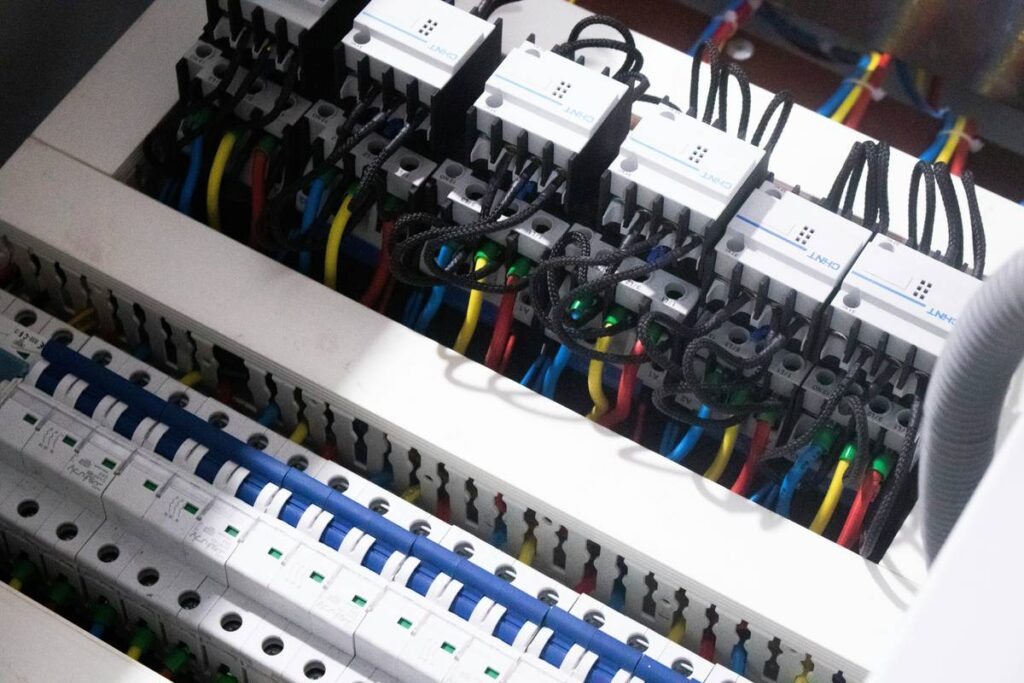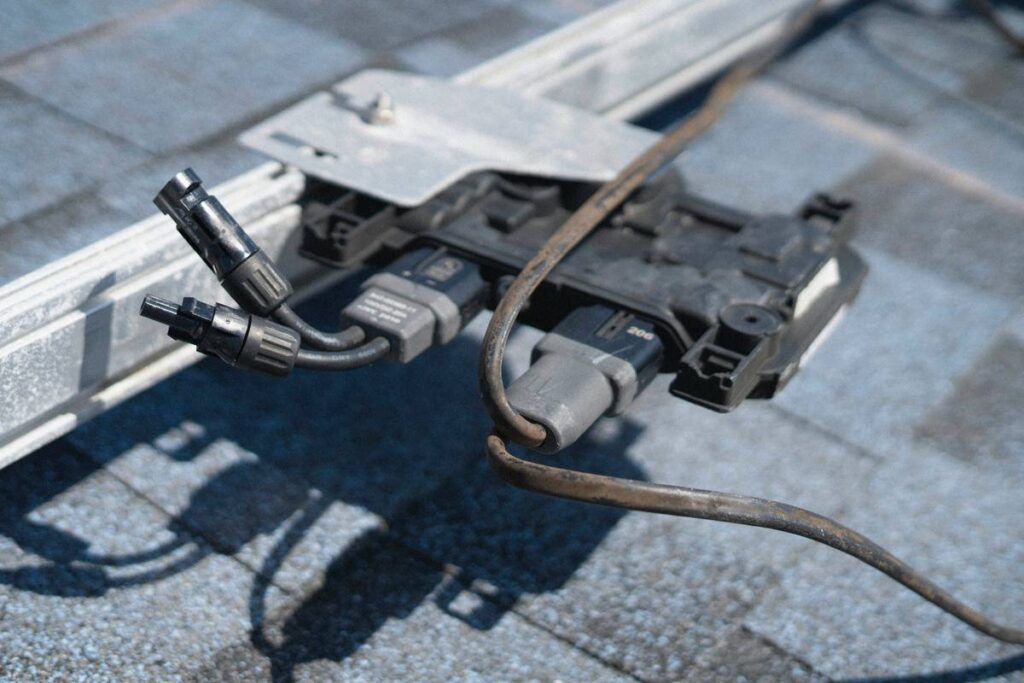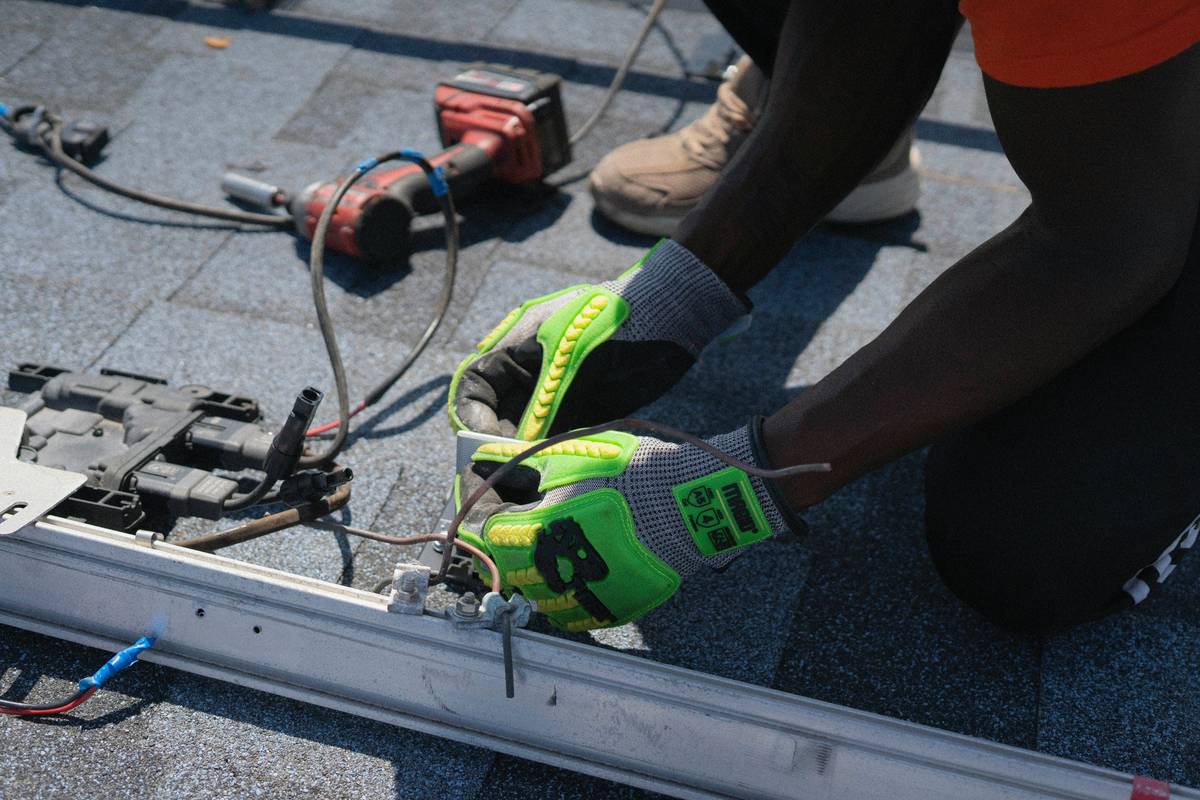
If you’ve ever fried a solar inverter because of a loose MC4 connector—or worse, caused a fire hazard with mismatched wiring—you’re not alone. I learned this the hard way during my first off-grid cabin install when I assumed all “solar-compatible” wires were created equal. Spoiler: they’re not. Getting your solar panel wire and connectors right isn’t just about efficiency—it’s about safety, longevity, and saving hundreds (or thousands) in avoidable repairs.
This guide cuts through the marketing fluff and delivers field-tested advice on selecting, installing, and troubleshooting solar wiring systems. We’ll cover everything from voltage drop calculations to connector compatibility hacks—plus real mistakes I’ve made (and you shouldn’t repeat).
Table of Contents
- Why Your Solar Wiring Choices Make or Break Your System
- Step-by-Step Guide to Safe & Efficient Solar Connector Installation
- 5 Best Practices for Long-Lasting Connections
- Real-World Case Study: How One Fix Boosted Output by 12%
- Frequently Asked Questions
Key Takeaways
- Using undersized wire causes voltage drop, reducing system efficiency by up to 15%.
- MC4 connectors must be UL 6703 certified—counterfeit ones fail under UV exposure.
- Always torque terminal screws to spec; hand-tight isn’t enough.
- Regular thermal imaging can catch hot spots before they cause failures.
- Mixing copper and aluminum conductors without proper bi-metallic lugs leads to corrosion.
Why Your Solar Wiring Choices Make or Break Your System
In home improvement projects involving solar energy, wiring is the circulatory system—and weak veins kill performance. Poorly chosen solar panel wire and connectors introduce resistance, heat buildup, and even fire risks. According to the National Renewable Energy Laboratory (NREL), up to 23% of residential solar faults stem from DC-side wiring errors.
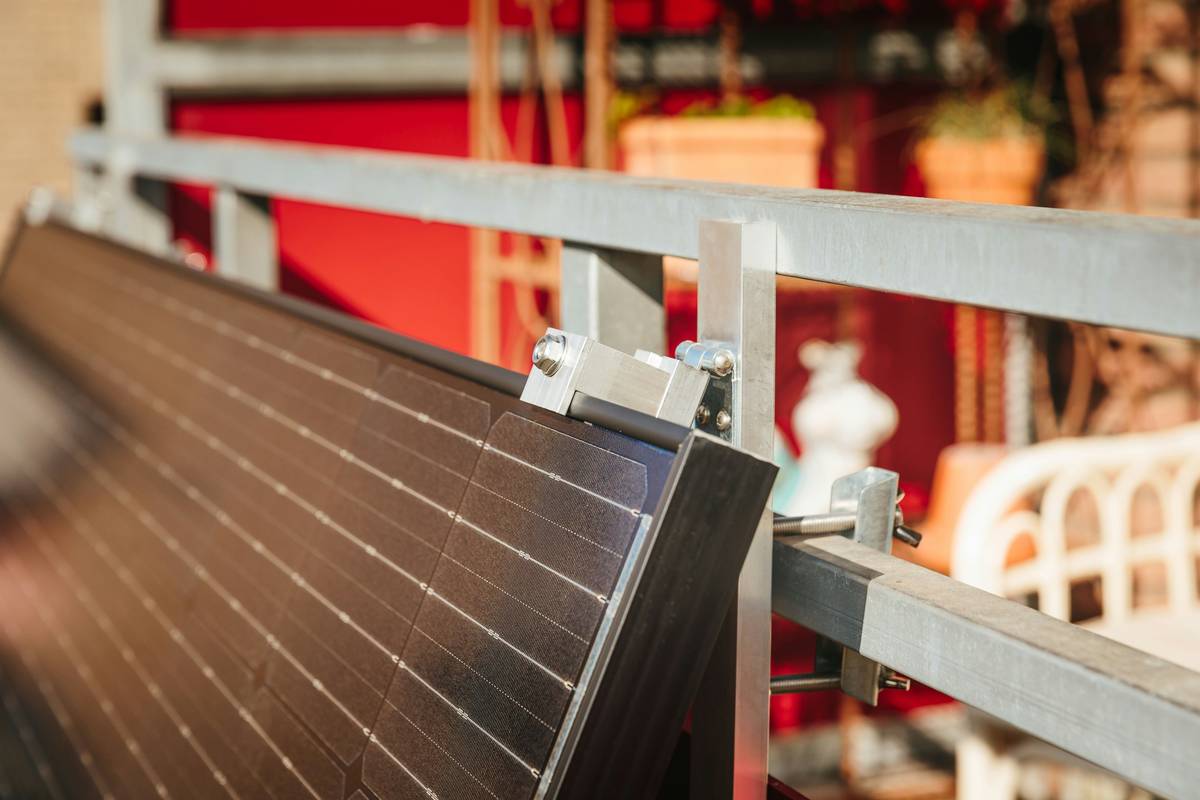
I once used reclaimed automotive cable on a budget build thinking “wire is wire.” Two summers later, the insulation cracked from UV degradation, exposing live conductors. Never again. Always use PV-certified wire rated for wet, outdoor use (like USE-2 or PV Wire per NEC Article 690).
Step-by-Step Guide to Safe & Efficient Solar Connector Installation
Select the Right Wire Gauge
Calculate based on current, distance, and acceptable voltage drop (aim for ≤2%). For a 40A string running 50 feet, 8 AWG is typically sufficient. Use the PVWatts Calculator from the U.S. Department of Energy to model losses.
Cut and Strip Carefully
Use a dedicated solar wire stripper—scoring the conductor strands compromises integrity. Leave ¼ inch of exposed copper for crimping.
Crimp, Don’t Solder
Field soldering creates brittle joints prone to vibration failure. Use ratcheting MC4 crimp tools with die sets matching your terminal size.
Weatherproof Every Junction
Even “plug-and-play” MC4 pairs need sealing in humid climates. Wrap connections with self-fusing silicone tape, then heat-shrink tubing.
5 Best Practices for Long-Lasting Connections
- Torque matters: MC4 set screws require 8–10 in-lbs—use an inch-pound torque screwdriver.
- Avoid daisy-chaining: Never connect more than two panels via branch connectors; imbalance causes hot spots.
- Label everything: Use UV-resistant tags for polarity (+/-) and string ID—saves hours during troubleshooting.
- Inspect annually: Look for discoloration, melting, or moisture ingress at connection points.
- Never mix brands blindly: Not all MC4 connectors are cross-compatible—check manufacturer specs first.
Terrible tip to ignore: “Just twist wires together and tape them.” I’ve seen this cause arc flashes. Proper connectors exist for a reason.
Real-World Case Study: How One Fix Boosted Output by 12%
A client in Phoenix reported declining output from their 6 kW rooftop array. On inspection, we found corroded aluminum-to-copper transitions at the combiner box—no antioxidant paste used. Replacing those joints with proper Polaris® bi-metallic lugs and upgrading 10 AWG to 8 AWG reduced resistance enough to restore 720 watts of lost capacity. Post-fix monitoring confirmed a consistent 12% gain over three months. This aligns with NREL findings that solar panel wire and connectors optimized for minimal resistance directly increase yield.
Need professional diagnostics? Our team at ATT Advanced Wireless Service combines RF expertise with solar certifications to troubleshoot complex hybrid systems.
Frequently Asked Questions
Can I reuse old solar connectors?
Only if they’re undamaged, from a reputable brand (e.g., Stäubli, Amphenol), and show no signs of arcing. Most experts recommend replacement every 10–15 years.
What’s the difference between MC3 and MC4 connectors?
MC4 is the modern standard with touch-safe locking mechanisms. MC3 lacks positive locking and is obsolete—never mix them.
Do solar connectors need fusing?
Yes, per NEC 690.9(A). Each parallel string requires overcurrent protection sized for the wire’s ampacity.
How do I test continuity in solar wiring?
Use a multimeter in diode mode after disconnecting from the array. Expect near-zero resistance (<0.5Ω) between connector pins.
Why are my solar connectors overheating?
Common causes: undersized wire, loose crimps, or excessive dirt/moisture creating leakage paths. Thermal imaging reveals hot spots instantly.
Where can I buy certified solar panel wire and connectors?
Purchase from authorized distributors like Graybar or CED—not auction sites rife with counterfeits. Verify UL listings physically on components.
Getting wiring right transforms solar from a “set-and-forget” gamble into a resilient, high-yield asset. If you’re sizing a new installation or auditing an existing one, don’t guess—measure, calculate, and certify. Ready to eliminate hidden losses in your setup? Contact our team for a no-pressure system review. And remember: in renewable energy, the smallest connection often carries the biggest consequence.
*Wire tight, shine bright.*
For transparency on data handling during consultations, see our Privacy Policy.