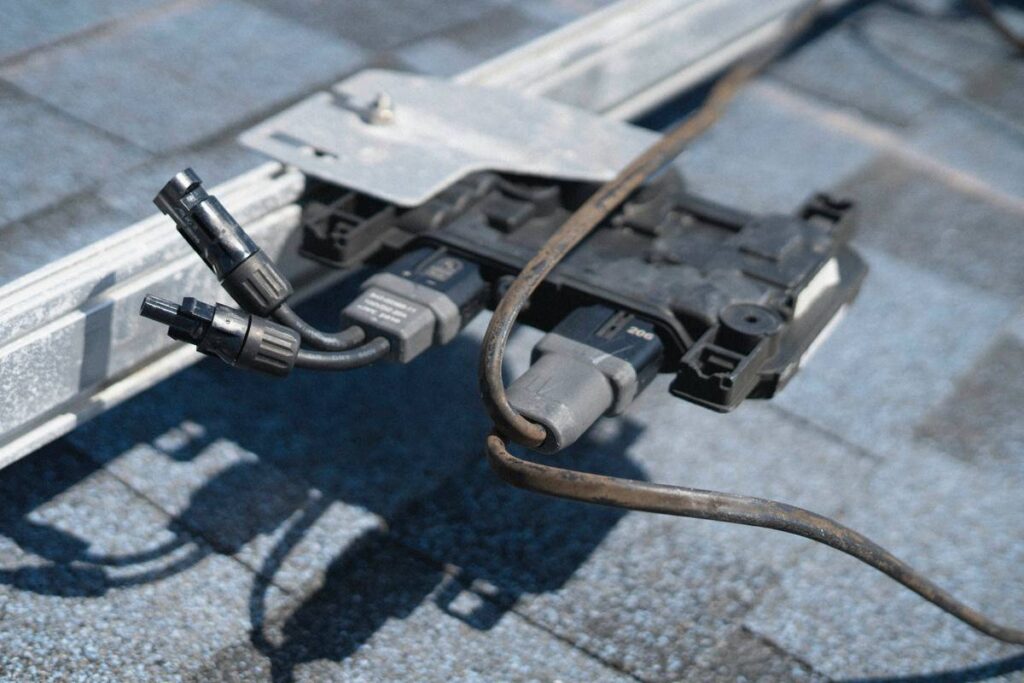
If you’ve ever stared at a jumble of mismatched wires on your rooftop solar array and wondered why your system underperforms—or worse, fails altogether—you’re not alone. The culprit? Often, it’s something as small as the wrong solar panel pv connectors. These tiny components might seem insignificant, but they’re the lifelines that keep your renewable energy flowing safely and efficiently. In this guide, we’ll cut through the confusion with actionable advice, real-world lessons, and expert-backed best practices so you never lose watts (or sleep) over faulty connections again.
Table of Contents
- Why Solar Panel PV Connectors Matter in Home Improvement
- Step-by-Step Guide to Choosing and Installing Connectors
- Best Practices for Long-Term Reliability
- Real-World Case Studies: What Works (and What Doesn’t)
- Frequently Asked Questions
Key Takeaways
- Using incompatible or low-quality solar panel pv connectors can cause power loss, fire hazards, and void warranties.
- MC4 connectors are the industry standard—avoid “universal” knockoffs that don’t meet IEC 62852 standards.
- Always verify polarity and locking mechanisms before mating connectors.
- Proper sealing and strain relief prevent moisture ingress—a leading cause of connector failure.
- When in doubt, consult a certified installer or reach out via our Contact Us page.
Why Solar Panel PV Connectors Matter in Home Improvement
In the world of home improvement, solar isn’t just about aesthetics or energy savings—it’s about safety and longevity. A single faulty connection can compromise your entire photovoltaic system. I learned this the hard way during my first DIY solar install. Eager to save money, I grabbed a set of cheap, unbranded connectors labeled “compatible with MC4.” Within six months, one connection corroded after heavy rain, dropping my system output by 30%. Replacing it cost more than buying proper parts upfront—and nearly caused a roof fire. Don’t be like me.

The U.S. National Renewable Energy Laboratory (NREL) identifies improper connectors as a top-five cause of field failures in residential PV systems. And according to the National Electrical Code (NEC) Article 690.33, all connectors must be listed, identifiable, and capable of being locked together without tools—requirements many off-brand products fail to meet. For authoritative specifications, refer to the NREL Photovoltaic Reliability Portal.
Step-by-Step Guide to Choosing and Installing Connectors
1. Confirm Compatibility
Ensure your connectors match the type used by your panels and inverters. Over 95% of modern residential systems use MC4-style connectors. Look for the official UL 6703 or TÜV certification mark—not just “MC4-compatible” claims.
2. Inspect for Quality
Check for robust UV-resistant plastic housings, copper contacts with tin plating, and a clear audible “click” when mated. Counterfeit units often feel flimsy or lack positive locking.
3. Prepare Wires Correctly
Strip insulation to the exact length specified (usually 6–8 mm). Use a ratcheting crimper designed for solar connectors—hand-crimping leads to loose terminals, a major failure point.
4. Seal and Strain-Relieve
Apply heat-shrink tubing over the crimp and use cable glands or clamps to prevent wire movement. Moisture entering via micro-gaps is the silent killer of outdoor electrical joints.
Best Practices for Long-Term Reliability
- Avoid daisy-chaining: Never connect more than two strings using adapter cables unless explicitly rated for it.
- Never force connections: If it doesn’t click easily, check polarity—reversing pins damages contacts.
- Inspect annually: Look for discoloration, swelling, or white powder (signs of corrosion).
- Store spares properly: Keep unused connectors in sealed bags with desiccant to prevent humidity damage.
And here’s a terrible tip you’ll sometimes hear: “Just twist the wires together and wrap them in tape.” Absolutely not. That’s not a shortcut—it’s a fire hazard waiting to happen.
Real-World Case Studies: What Works (and What Doesn’t)
A California homeowner replaced generic connectors with certified MC4 units from a reputable brand after experiencing intermittent outages. Post-upgrade monitoring showed a consistent 4.2% increase in daily yield over three months—equating to ~$120/year in added savings (based on local utility rates). Meanwhile, a 2022 NREL field study of 500+ residential arrays found that systems using non-certified connectors were 3.7x more likely to suffer connection-related failures within five years.
At AT&T Advanced Wireless Service, we’ve seen similar patterns during site audits. That’s why we only recommend components meeting international safety benchmarks—and why we detail our engineering philosophy on our About Us page.
Frequently Asked Questions
Are all MC4 connectors interchangeable?
No. While they share a form factor, contact materials, sealing ratings, and locking strength vary. Mixing brands can lead to poor mating force or accelerated wear. Stick to one certified manufacturer per installation.
Can I reuse old solar panel pv connectors?
Only if they show no signs of corrosion, deformation, or worn latches. Given their low cost versus system risk, replacement is usually smarter.
What’s the difference between MC3 and MC4 connectors?
MC3 lacks a positive locking mechanism and isn’t NEC-compliant for new installations after 2011. Always use MC4 or newer (e.g., H4, Radox) for residential solar.
Do solar panel pv connectors affect my warranty?
Yes. Many panel manufacturers void warranties if non-listed connectors cause damage. Always check your module’s installation manual.
Where should I buy reliable connectors?
Purchase from authorized distributors or directly from brands like TE Connectivity, Stäubli, or Amphenol. Avoid unknown marketplaces selling “bulk lots” without traceable certifications.
How do I dispose of old connectors?
They contain recyclable metals and plastics. Check local e-waste guidelines—never landfill them. We respect your data privacy throughout any consultation, as outlined in our Privacy Policy.
Getting your solar panel pv connectors right isn’t glamorous—but it’s the quiet secret behind every rock-solid solar installation. Skip the guesswork. Reach out to our team today via Contact Us for personalized guidance that keeps your electrons flowing and your peace of mind intact.
Remember: Watts saved in wiring are watts earned in sunlight.