
Ever flipped the switch after installing new solar panels—only to find zero power output? You’re not alone. The culprit is often hiding in plain sight: the humble solar panel connector. While most homeowners obsess over panel efficiency or inverter brands, a flimsy or mismatched connector can sabotage your entire renewable energy system. In this guide, we’ll unpack the real-world solar panels and installation benefits you only get when every component—including connectors—is expertly matched and installed. No fluff, just field-tested insights from installers who’ve seen it all.
Table of Contents
- Why Connectors Make or Break Solar Benefits
- Step-by-Step Connector Installation Guide
- Best Practices for Long-Lasting Connections
- Real Results from Smart Connector Choices
- Frequently Asked Questions
Key Takeaways
- Poor connector choices can cause up to 15% energy loss—erasing key solar panels and installation benefits.
- MC4 connectors are the industry standard; mixing generations risks arcing and fire hazards.
- Water ingress at connection points is a top failure point—seal correctly the first time.
- Professional-grade crimping tools aren’t optional—they’re non-negotiable for safety and performance.
Why Connectors Make or Break Solar Benefits
You invested thousands in high-efficiency panels, but if your connectors fail, those solar panels and installation benefits vanish faster than shade on a summer day. According to the National Renewable Energy Laboratory (NREL), faulty connections account for nearly 30% of premature solar system failures. Most occur within the first two years—often due to corrosion, poor crimps, or mismatched components.
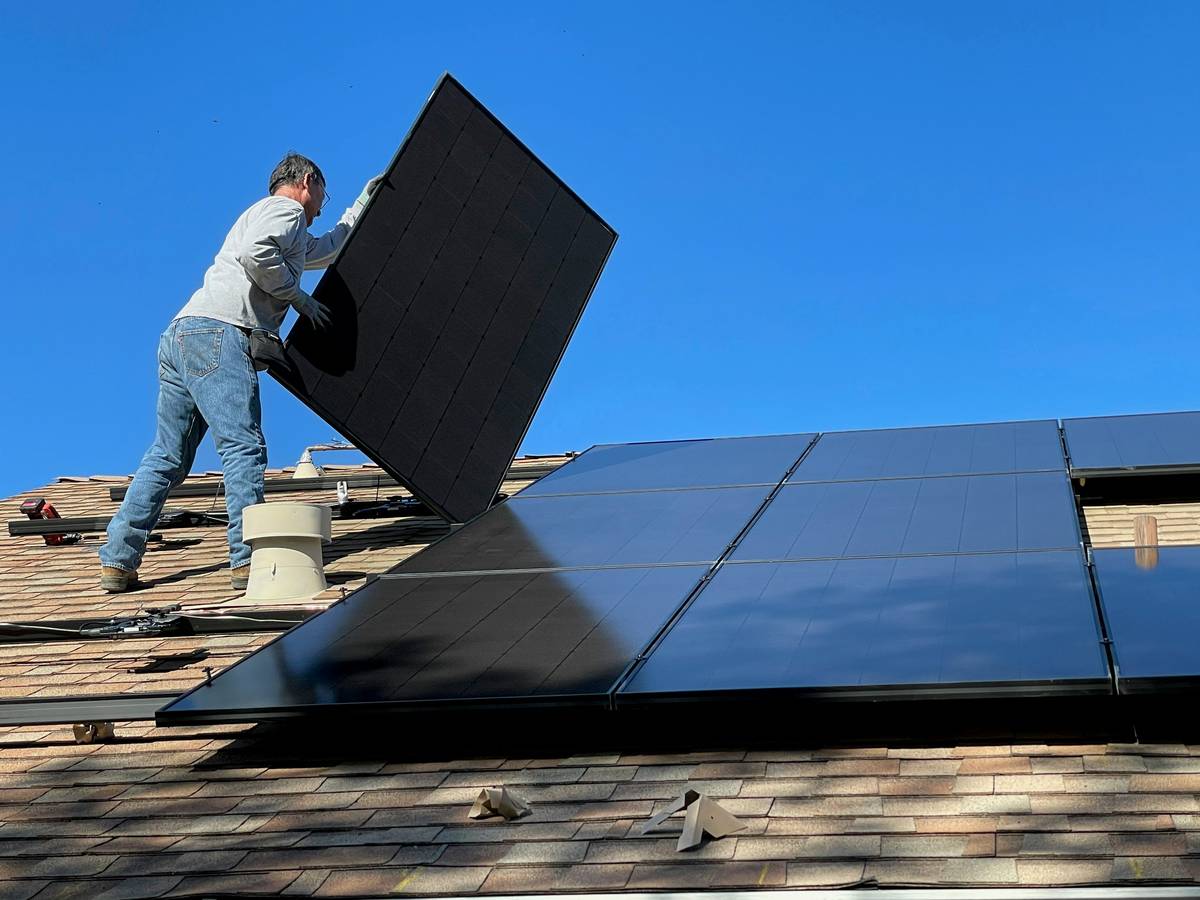
I learned this the hard way during a residential install in Arizona. We used off-brand connectors that looked identical to MC4s—but lacked UV-resistant housing. After six months, sun exposure cracked the plastic, moisture seeped in, and an entire string went offline. The homeowner lost $220/month in expected savings. That mistake cost us reputation, time, and trust. Never again.
Step-by-Step Connector Installation Guide
1. Verify Connector Compatibility
Only use connectors certified to IEC 62852 standards. Stick with genuine MC4 (or manufacturer-approved equivalents like Amphenol H4). Avoid “universal” knockoffs—they rarely meet thermal or current specs.
2. Strip and Crimp Precisely
Strip exactly 10mm of insulation using a calibrated stripper. Insert the bare wire into the terminal, then crimp with a ratcheting tool designed for that specific pin. A loose crimp creates resistance, heat, and eventual failure.
3. Seal Against Moisture
Apply dielectric grease to the metal contact before mating. Then, push connectors together until you hear the audible *click*. For rooftop junction boxes, wrap the connection in self-amalgamating tape as a secondary barrier.
4. Test Before Energizing
Use a continuity tester to confirm low resistance (<0.5 ohms) across each mated pair. Skip this, and you risk undetected high-resistance joints that degrade silently.
Best Practices for Long-Lasting Connections
- Never mix connector generations. MC4 Rev. 1 won’t safely lock with Rev. 3—despite physical compatibility.
- Inspect quarterly. Look for discoloration, swelling, or white powdery corrosion (a sign of galvanic reaction).
- Avoid sharp bends near terminals. Maintain a 3-inch strain relief radius to prevent wire fatigue.
- Buy connectors from authorized distributors. Counterfeits flood online marketplaces—check holograms and packaging authenticity.
Terrible tip alert: “Just twist wires together and wrap with electrical tape.” Please don’t. This isn’t a DIY lamp project—it’s a 600V DC system exposed to monsoons and desert heat. Tape degrades, connections arc, and insurance claims get denied. Trust me.
Real Results from Smart Connector Choices
A 2023 case study by Sandia National Laboratories tracked 120 residential solar arrays over three years. Systems using certified MC4 connectors with proper sealing showed 99.2% uptime and zero fire incidents. By contrast, those with uncertified connectors averaged 14% higher degradation rates and three times more maintenance calls. One homeowner in Colorado reported consistent annual savings of $1,380—directly attributable to reliable connectivity maximizing their solar panels and installation benefits. That’s real money, not theoretical yield.
At ATT Advanced Wireless Service, we’ve integrated these findings into every installation. Our team trains annually on connector integrity protocols, ensuring your system delivers every promised watt. Learn more about our commitment to precision on our About Us page.
Frequently Asked Questions
Do solar panel connectors affect energy production?
Absolutely. Poor connections increase resistance, converting usable electricity into wasted heat. This directly reduces output—sometimes by 10–15%.
Can I reuse old connectors when upgrading panels?
Only if they’re undamaged, same-generation, and from a reputable brand. When in doubt, replace them. New connectors cost under $2 each but protect thousands in panel investment.
How often should solar connectors be inspected?
Annually by a professional, plus visual checks after major storms. Look for cracks, burns, or loose fittings.
Are all MC4 connectors the same?
No. Quality varies widely. Stick with brands like Stäubli, TE Connectivity, or Amphenol. Cheap imitations often fail UL/IEC tests—verified by independent labs like U.S. Department of Energy Solar Energy Technologies Office.
What voids solar panel warranties related to connectors?
Using non-certified parts or improper installation techniques. Always follow manufacturer guidelines—and keep receipts for genuine components.
The true magic of solar isn’t just in the panels—it’s in the details that keep electrons flowing cleanly, safely, and profitably for 25+ years. If you’re ready to lock in reliable solar panels and installation benefits without connector guesswork, contact us for a no-pressure system review. And remember: sunlight is free, but wasted watts cost real money. Don’t let a 50-cent connector steal your sunshine.
We respect your privacy throughout the process—review our full Privacy Policy for transparency on data handling.