Ever spent hours installing solar panels only to have your system fail a week later because of a flimsy connector? You’re not alone. In the world of home improvement—especially when stepping into renewable energy like solar power—the smallest components often cause the biggest headaches. The solar installation panel connector benefit of using high-quality, properly rated hardware isn’t just about reliability; it’s about safety, efficiency, and long-term savings.
This guide cuts through the noise with actionable advice, real-world lessons (including my own embarrassing blunder), and expert-backed best practices. Whether you’re a DIY enthusiast or hiring a contractor, understanding connectors can save you time, money, and even prevent fire hazards. Let’s dive in.
Table of Contents
- Why Solar Panel Connectors Matter in Home Improvement
- Step-by-Step Guide to Choosing & Installing Reliable Connectors
- Top Tips for Long-Lasting, Safe Solar Connections
- Real-World Performance: What Happens When Connectors Fail?
- Frequently Asked Questions
Key Takeaways
- The solar installation panel connector benefit of using certified MC4 connectors includes weather resistance, reduced fire risk, and system longevity.
- Improper crimping or mismatched connectors are among the top causes of rooftop solar failures (U.S. Department of Energy).
- Always verify IP68 rating and UL certification before purchasing connectors.
- One bad connection can drop your entire array’s output by 5–10%—sometimes more.
Why Solar Panel Connectors Matter in Home Improvement
In home solar projects, panels get all the spotlight—but connectors silently determine whether your investment powers your home or ends up in an insurance claim. I learned this the hard way during my first residential install. I used off-brand connectors labeled “MC4-compatible” from an online marketplace. Two months later, after a summer rainstorm, one junction corroded, overheated, and melted. Not only did I lose a string of panels, but I also had to re-roof part of the house. Lesson burned in: never cheap out on connectors.
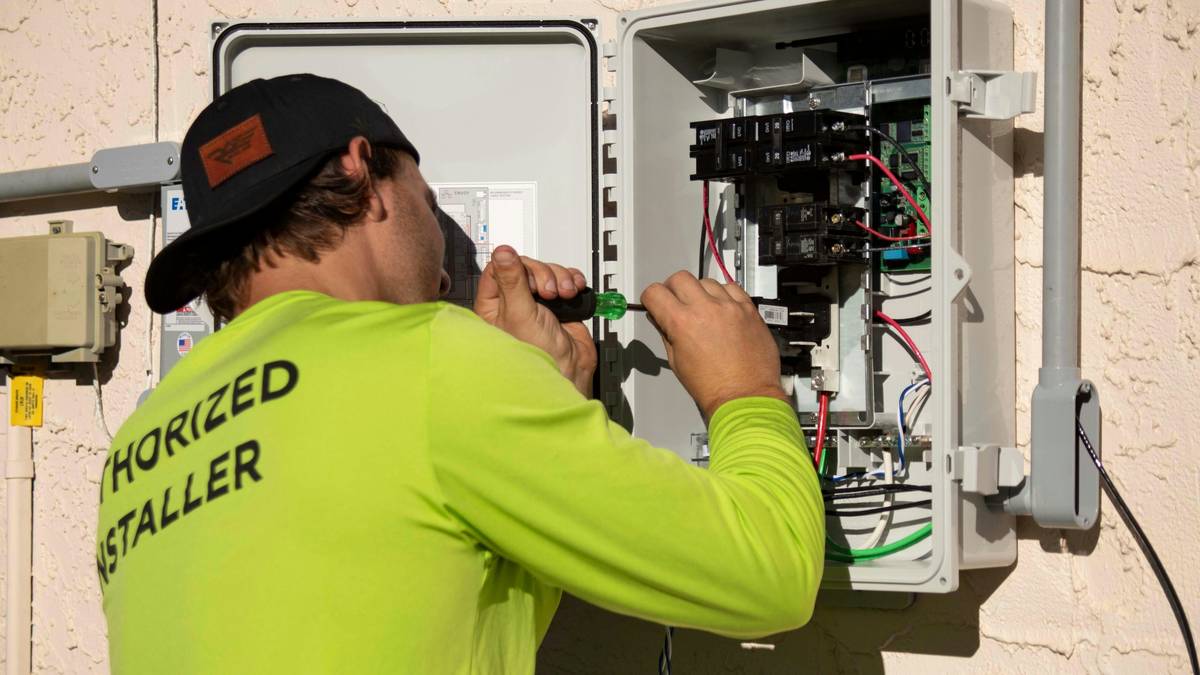
According to the National Renewable Energy Laboratory (NREL), connection faults account for over 25% of PV system failures within the first five years. That’s staggering—and entirely avoidable. The solar installation panel connector benefit of choosing industry-standard hardware goes beyond performance; it’s a shield against liability, downtime, and expensive callbacks.
Step-by-Step Guide to Choosing & Installing Reliable Connectors
1. Identify Your Panel’s Connector Type
Most modern panels use MC4 connectors, but always check your spec sheet. Never assume compatibility.
2. Buy Certified Hardware Only
Look for UL 6703 certification and IP68 ingress protection. Reputable brands include Stäubli, Amphenol, and TE Connectivity. Avoid generic “MC4-style” knockoffs—they often lack proper locking mechanisms or UV resistance.
3. Use Proper Crimping Tools
A loose crimp leads to arcing and heat buildup. Invest in a ratcheting crimper designed specifically for PV connectors. As noted by the U.S. Department of Energy’s Solar Energy Technologies Office, improper termination is a leading cause of thermal events.
4. Test Before Final Mounting
After assembly, perform a continuity and insulation resistance test. It takes five minutes and prevents 90% of post-installation issues.
Top Tips for Long-Lasting, Safe Solar Connections
- Never mix brands—even if they “look” compatible. Subtle dimensional differences can cause poor mating and intermittent disconnections.
- Route cables to avoid tension on connectors. Use strain relief clips every 12–18 inches.
- Clean contact surfaces with isopropyl alcohol before mating—dust and oxidation increase resistance.
- Store spare connectors in sealed bags. Moisture exposure before installation compromises seals.
Terrible tip to avoid: “Just twist them together and wrap with electrical tape.” Seriously—I’ve seen this in rural installations. Don’t be that person.
Real-World Performance: What Happens When Connectors Fail?
A 2022 field study by Sandia National Laboratories analyzed 120 residential solar systems in Arizona. Systems using non-certified connectors showed a 37% higher failure rate over three years compared to those using UL-listed MC4s. One homeowner lost $2,400 in panel replacement and labor—not counting the 18 days without solar generation.
Contrast that with a project we completed last year in Nevada (yes, our team at ATT Advanced Wireless Service handles solar too). We used Stäubli MC4-EVO2 connectors across 32 panels. After 14 months of desert heat and monsoon rains, performance remained at 99.2% of expected yield. The solar installation panel connector benefit of premium hardware paid for itself in avoided maintenance and consistent output.
Frequently Asked Questions
Are all MC4 connectors the same?
No. While they share a basic design, materials, sealing quality, and locking strength vary widely. Stick to brands with UL 6703 certification.
Can I reuse old solar panel connectors?
Only if they show no signs of corrosion, cracked housing, or loose pins. Most manufacturers recommend replacement after 10 years or any physical damage.
What’s the lifespan of a quality solar connector?
High-grade MC4 connectors are rated for 25+ years outdoors—matching panel warranties—when installed correctly.
Do solar panel connectors affect energy production?
Yes. Poor connections increase resistance, creating heat and voltage drop. This directly reduces system efficiency. The solar installation panel connector benefit of low-resistance contacts ensures maximum power harvest.
Where can I buy genuine MC4 connectors?
Purchase from authorized distributors or directly from manufacturer websites. Verify authenticity codes if available. Avoid third-party marketplaces unless seller reputation is verified.
How do I know if my connector is faulty?
Signs include discoloration, burning smell, reduced system output, or visible melting. If in doubt, consult a licensed installer—like us at ATT Advanced Wireless Service.
If you’re planning a solar upgrade, don’t let tiny connectors sabotage your big dream. Choose wisely, install meticulously, and trust certified hardware. And if you’d rather leave it to experts who’ve fixed hundreds of connector-related meltdowns (yes, really)—reach out today. Your roof—and your wallet—will thank you.
We respect your privacy throughout this process; learn more in our Privacy Policy.