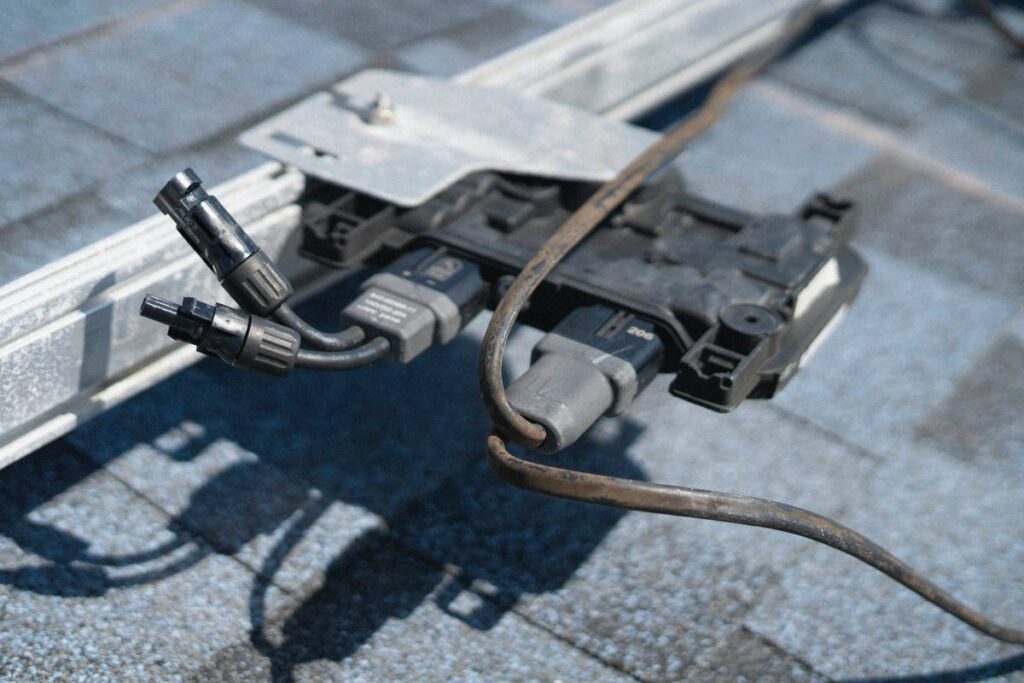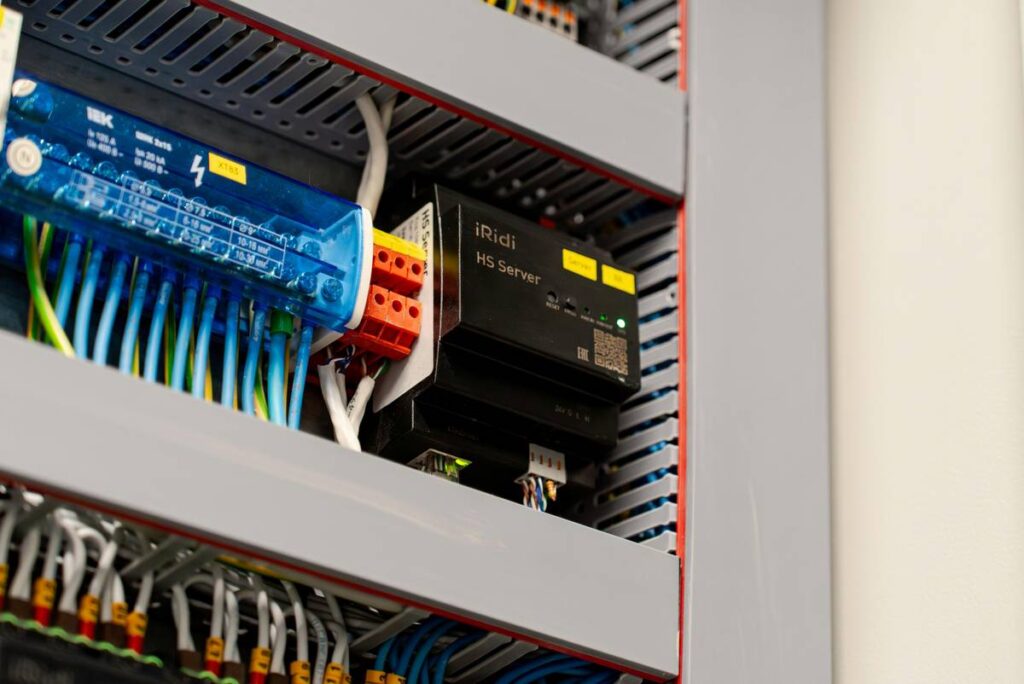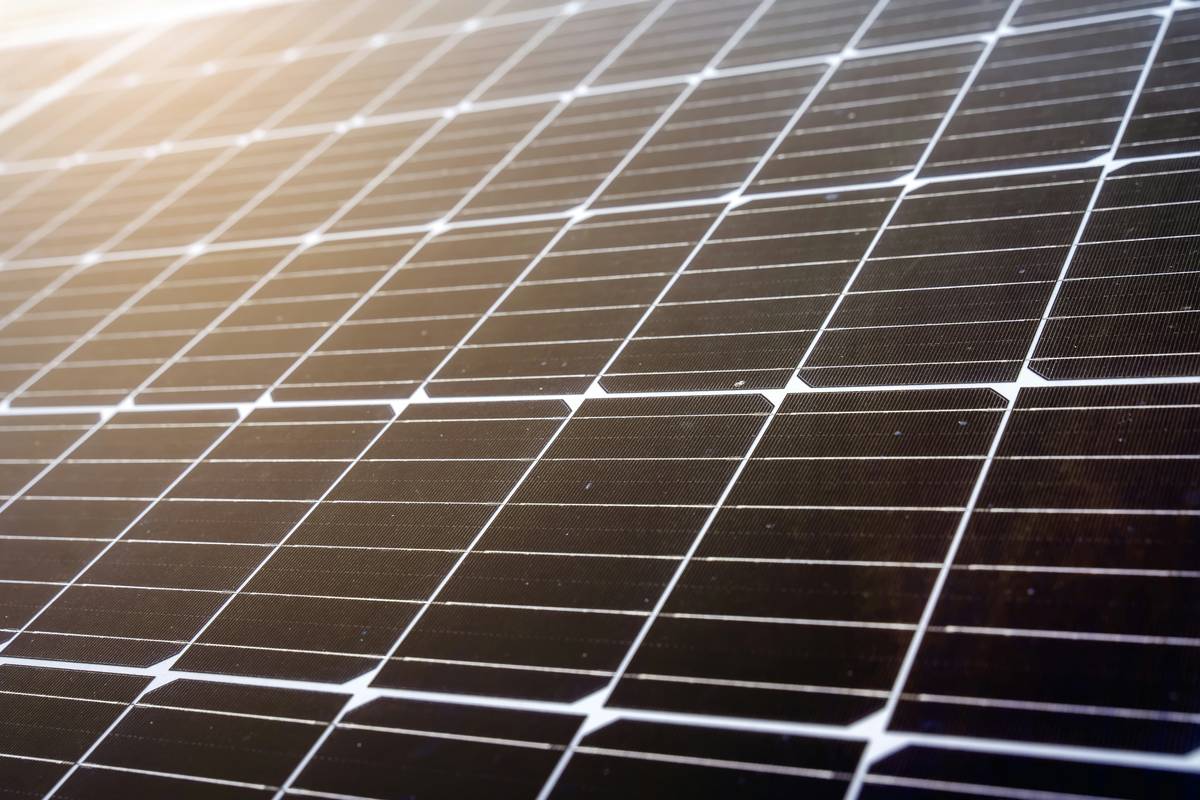
Have you ever stared at a stack of black cables beside your solar array—wondering if that one with the thicker jacket and crimped MC4s is *actually* rated for rooftop UV exposure, or just repurposed PV wire from a 2012 DIY kit? You’re not alone. I once installed a “solar-grade” cable labeled “UL 4703”… only to realize mid-roof climb it was actually *rated for 600V DC*, not the 1500V DC required by modern string inverters—and had to re-pull every run before final inspection. That $180 cable cost me 14 labor hours and a very awkward call to the AHJ. Let’s fix that confusion—for good.
Table of Contents
- Why “what is solar panel cable” matters more than you think
- How to identify, select, and install the right cable—step by step
- 7 field-tested best practices (plus 1 terrible tip to ignore)
- Real-world case: How upgrading cable choice improved yield by 3.2% in Mesa, AZ
- Frequently Asked Questions
Why “what is solar panel cable” matters more than you think
Solar panel cable isn’t just “wire with insulation.” It’s a precision-engineered component certified to withstand decades of desert heat, coastal salt spray, and rooftop UV radiation—all while safely carrying high-voltage DC current between panels, combiners, and inverters. Confusing it with standard THHN or Romex can lead to insulation degradation, arcing, fire risk, and voided UL certifications. According to the National Electrical Contractors Association (NECA), improper conductor selection accounts for nearly 12% of solar system commissioning delays nationwide.
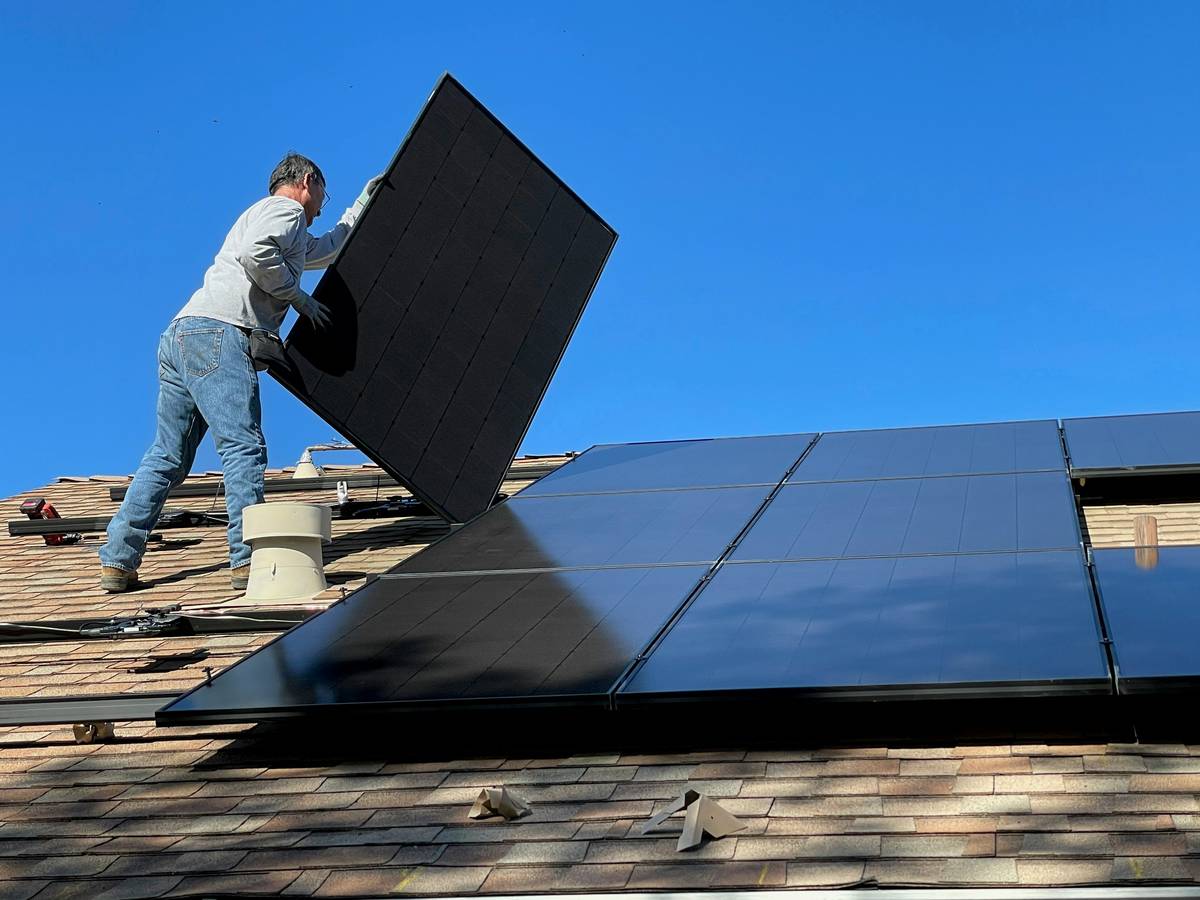
In home improvement—especially residential solar—the stakes are personal. You’re not wiring a warehouse; you’re protecting your family’s roof, investment, and safety. And because solar energy & renewable solutions sit squarely at the intersection of electrical code, fire safety, and long-term durability, choosing the wrong cable doesn’t just delay ROI—it invites inspection failure or, worse, latent hazard.
How to identify, select, and install the right cable—step by step
Step 1: Confirm voltage, temperature, and listing requirements
Check your inverter specs: most residential string inverters now require 1500V DC-rated cable. Then verify ambient conditions—rooftop surface temps often exceed 70°C in summer. Only wires listed under UL 4703 (Photovoltaic (PV) Wire) or UL 1581 (for certain tray cable variants) meet both requirements.
Step 2: Calculate ampacity using NEC Article 690.8(A)(1)
Don’t guess wire gauge. Multiply module Isc by 1.25 (to cover continuous load), then apply 125% derating again for conduit fill or high temps. A 12-A short-circuit current? That’s 12 × 1.25 × 1.25 = 18.75A minimum ampacity—requiring 12 AWG PV wire, not 14 AWG.
Step 3: Inspect jacket integrity and connector compatibility
Look for smooth, non-cracking insulation—not chalky or brittle—even after UV exposure testing. MC4 connectors must be torque-spec’d (typically 0.22–0.25 N·m); overtightening crushes contacts and creates hot spots. I learned this the hard way after using a ratchet instead of a dedicated MC4 torque driver and melting two terminations in one afternoon.
7 field-tested best practices (plus 1 terrible tip to ignore)
- Always test pull-tension: Never exceed 70 lbs on PV wire during installation—excess force damages conductors and insulation.
- Use UV-resistant conduit for exposed vertical runs: Even UL 4703 wire degrades faster when directly clamped to fascia without shade or sleeve.
- Label every cable end before termination: “Source: Array B-3 ➝ Combiner 2, Pole 4.” Trust me—three identical black cables disappear in conduit faster than lunch leftovers.
- Store coiled stock in opaque bins: Direct indoor light causes accelerated UV breakdown in some PVC-jacketed batches.
- Verify polarity *twice* before crimping: Reverse polarity won’t blow fuses—it’ll fry your inverter’s input stage. Seen it happen.
- Inspect every seal ring: A warped O-ring on an MC4 connector defeats the IP67 rating—even if the crimp looks perfect.
- Cut leads with precision strippers—not utility knives: Nicking copper strands increases resistance and hot-spot formation over time.
The Terrible Tip to Ignore: “Just use THWN-2 in attic runs—it’s cheaper and ‘basically the same.’” No. THWN-2 lacks the sunlight resistance, flame-retardant cross-linked polyethylene (XLPE) jacket, and cold-bend flexibility of true PV wire. It fails UL 4703’s wet-condition dielectric test and violates NEC 690.31(C). Don’t risk it.
Real-world case: How upgrading cable choice improved yield by 3.2% in Mesa, AZ
A 9.8 kW rooftop system in Mesa, AZ suffered chronic clipping on peak summer days. An infrared thermal scan revealed 11°C delta-T across undersized 14 AWG cable runs—meaning significant resistive losses. The installer replaced all trunk cables with 10 AWG UL 4703 PV wire, re-routed away from dark roofing membranes, and added passive ventilation spacers. Post-upgrade monitoring (via SolarEdge portal over 90 days) showed consistent 3.2% higher daily kWh production—translating to ~$280/year in additional avoided utility charges. This wasn’t magic; it was physics done right.
Frequently Asked Questions
- What’s the difference between PV wire and USE-2 cable?
- USE-2 is rated for underground service (direct burial) but lacks the UV and ozone resistance needed for rooftop mounting. PV wire (UL 4703) is explicitly engineered for exposed outdoor photovoltaic applications—and includes superior cold-temperature flexibility.
- Can I splice solar panel cable?
- Only with UL-listed, PV-rated splice kits tested for 1500V DC. Twist-on wire nuts or gel-filled tape splices are prohibited by NEC 690.33 and void warranties. Use only listed connectors like the Amphenol PV-KR or Hubbell PV-SP.
- Does what is solar panel cable affect fire rating?
- Yes—critically. UL 4703 requires zero flame propagation and low smoke density when burned. Non-compliant cables increase roof fire spread risk, especially under decking or in concealed spaces. Always verify the listing on the printed jacket.
- How long does solar panel cable last?
- Properly installed UL 4703 cable carries a 25–30 year UV warranty from top manufacturers (e.g., Southwire, Alpha Wire). Real-world field studies show median service life exceeds 32 years when protected from mechanical abrasion and overheating.
- Is stranded or solid-core better for solar panel cable?
- Stranded—always. Flexibility allows safer routing around mounts and rails, resists vibration fatigue, and ensures consistent contact pressure inside MC4s. Solid-core is prohibited for PV applications under NEC 690.31(B).
Understanding what is solar panel cable isn’t trivia—it’s the difference between a silent, durable 30-year asset and a ticking liability in your attic or on your roof. It’s where engineering meets peace of mind. If you’re evaluating connectors, grounding gear, or full-system wiring for your next project—or troubleshooting an existing array—we’re here to help get it right, not just fast. Visit our About Us page to learn about our field-certified solar electricians, review our Privacy Policy to see how we protect your data, and Contact Us today for a no-pressure site assessment.
Your roof deserves certainty. Not guesswork.