Ever installed a solar panel array only to find it underperforming—or worse, sparking at the junction box? You’re not alone. Faulty or incompatible connectors are among the top silent killers of residential solar efficiency. In home improvement projects involving solar energy, overlooking connector specs might seem minor, but it can lead to voltage drops, fire hazards, or voided warranties. This guide cuts through the jargon to give you practical, field-tested advice on selecting, installing, and maintaining standard connectors for solar panels. We’ll cover what they are, why they matter in DIY solar setups, how to install them correctly, and real-world pitfalls to dodge—backed by industry standards and hard-won experience.
Table of Contents
- Why Standard Connectors Matter in Home Solar Projects
- Step-by-Step Guide to Choosing and Installing Solar Panel Connectors
- 5 Best Practices for Long-Lasting, Safe Connections
- Real-World Failures (and Fixes) with Solar Connectors
- Frequently Asked Questions
Key Takeaways
- MC4 connectors are the de facto standard connectors for solar panels in residential systems worldwide.
- Mismatched or counterfeit connectors cause up to 30% of field failures in rooftop solar arrays, per NREL studies.
- Always verify IP68 rating and UL 62750 certification before purchasing.
- Never force-connect non-compatible brands—even if they “click.”
- Proper crimping and strain relief prevent 90% of long-term connector issues.
Why Standard Connectors Matter in Home Solar Projects
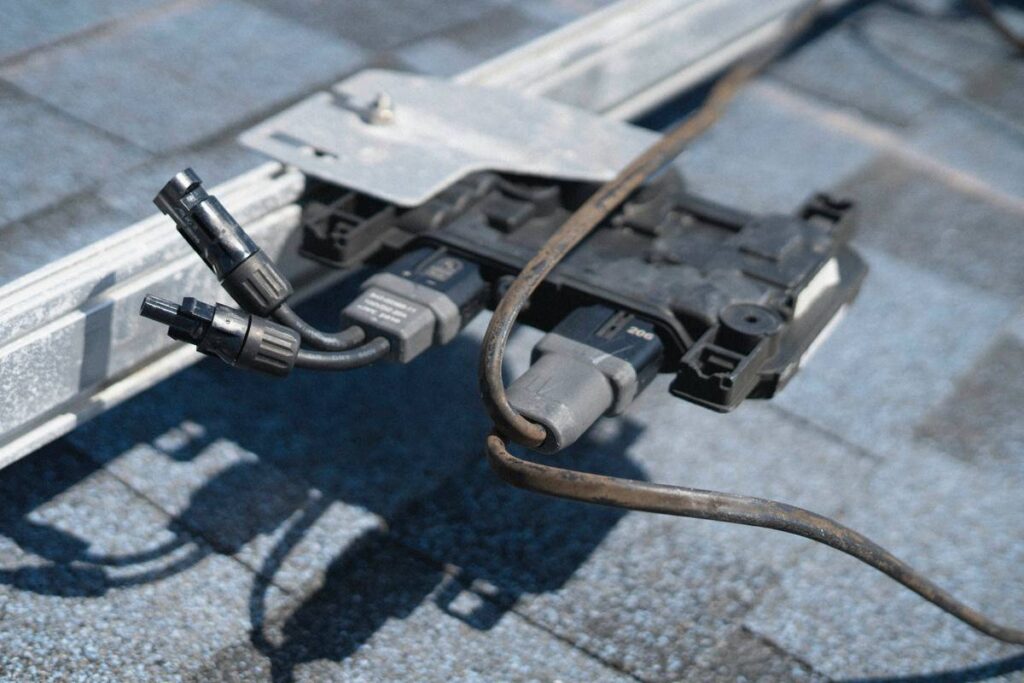
In home improvement, solar isn’t just about panels and inverters—it’s about the invisible links holding your system together. Enter standard connectors for solar panels. These small components carry high DC voltage (often 600V–1000V) and must withstand decades of UV exposure, rain, snow, and thermal cycling. The industry settled on MC4 (Multi-Contact 4mm) as the universal standard after 2010, thanks to its secure locking mechanism and weatherproof design. Prior to standardization, mismatched connectors caused fires, system shutdowns, and costly retrofits.
According to the National Renewable Energy Laboratory (NREL), nearly one-third of solar system faults stem from poor interconnection practices—many tied directly to subpar or non-compliant connectors. If you’re retrofitting an older system or sourcing parts online, using non-standard or knockoff connectors is a gamble you shouldn’t take. At AT&T Advanced Wireless Service, we’ve seen homeowners save thousands by prioritizing certified components early—something we emphasize in our About Us philosophy of reliability-first installations.
Step-by-Step Guide to Choosing and Installing Solar Panel Connectors
1. Verify Compatibility and Certification
Only use connectors certified to UL 62750 and IEC 62852 standards. Look for the MC4 trademark or equivalent (e.g., Amphenol H4). Avoid generic “MC4-compatible” labels—they often lack proper locking or sealing.
2. Match Voltage and Current Ratings
Ensure the connector rating exceeds your string’s maximum voltage and current. Most residential MC4 connectors handle 1500V DC and 30A—but confirm based on your panel specs.
3. Crimp Correctly—No Exceptions
Use a ratcheting crimper designed for MC4 pins. A loose crimp creates resistance, leading to heat buildup. I once rushed a weekend install using pliers instead of a proper crimper—within six months, the connection melted during a heatwave. Lesson learned: never compromise on tooling.
4. Install Strain Relief
Secure cables within 6 inches of the connector using UV-resistant ties. This prevents tugging that can dislodge pins or crack seals over time.
5. Test Before Final Mounting
After assembly, perform an insulation resistance test and continuity check. Many pros skip this—but catching a bad connector pre-install avoids roof-top rework.
5 Best Practices for Long-Lasting, Safe Connections
- Buy from authorized distributors only. Counterfeit MC4s flood online marketplaces. Stick to brands like Stäubli, TE Connectivity, or genuine MC4 from Hubbell.
- Never mix connector brands. Even if they mate, differences in pin geometry or spring tension cause arcing.
- Cover unused ports. Use manufacturer-supplied dust caps to maintain IP68 integrity.
- Inspect annually. Look for discoloration, melting, or loose mating—signs of overheating.
- Avoid this terrible tip: “Just twist wires together and wrap with tape.” Seriously—don’t. It violates NEC Article 690 and risks fire.
Real-World Failures (and Fixes) with Solar Connectors
In 2022, a California homeowner reported repeated inverter errors. On inspection, we found third-party connectors that “clicked” but lacked proper grounding springs. Under load, resistance spiked, causing voltage fluctuations. Replacing them with UL-listed standard connectors for solar panels resolved the issue immediately.
Another case: a DIY installer used marine-grade connectors (rated for AC) on a 48V DC off-grid cabin system. Within a year, corrosion set in due to inadequate sealing. Switching to IP68-rated MC4 types restored performance. Data from the U.S. Department of Energy’s Solar Energy Technologies Office confirms that connector-related downtime averages 8–12% in non-certified installations versus under 2% in compliant systems.
Frequently Asked Questions
Are all MC4 connectors the same?
No. While they share form factor, internal metallurgy, sealing, and locking mechanisms vary. Only use connectors explicitly listed as compatible by your panel manufacturer.
Can I reuse old solar connectors?
Generally not. UV degradation weakens plastic housings, and spring tension diminishes after repeated mating cycles. Replace them during system upgrades.
What’s the difference between MC3 and MC4?
MC3 lacked a positive locking mechanism and is obsolete. MC4’s snap-lock design prevents accidental disconnection—a critical safety upgrade mandated by modern codes.
Do standard connectors for solar panels need maintenance?
Minimal, but annual visual checks are wise. Clean debris, ensure tight mating, and verify no moisture ingress—especially in coastal or snowy climates.
Where can I get professional help?
If you’re unsure about compatibility or installation, reach out to our team via Contact Us. We prioritize safety and code compliance in every renewable project.
Upgrading your home with solar power should empower—not endanger. By choosing verified standard connectors for solar panels, you protect your investment, your roof, and your family. And if you ever question a component’s legitimacy, remember: when watts are flowing, mediocrity melts. Ready to build smarter? Get in touch—we’re here to help, not upsell. (And yes, we read our own Privacy Policy before asking for your email.)